The Soul of Photography

Chapter 2: The Aesthetic Dimensions Artists working in visual media train themselves to perceive beyond looking by continuously imagining or creating actual frames around everything they see. After a while a pattern emerges in the subjects they choose and the materials and techniques that work best. Along with these, they develop certain aesthetic preferences—choices relating […]

Art And Meaning

The random arrangement of visual elements juxtaposing lights and darks in this image comes near to creating abstraction because the subject matter is easily “read.” Another aesthetic feature here is the number of visual elements, each tonal change representing one of them. The more there are, the more complex the image, so there’s increased potential […]

Wisdom Of The Spheres

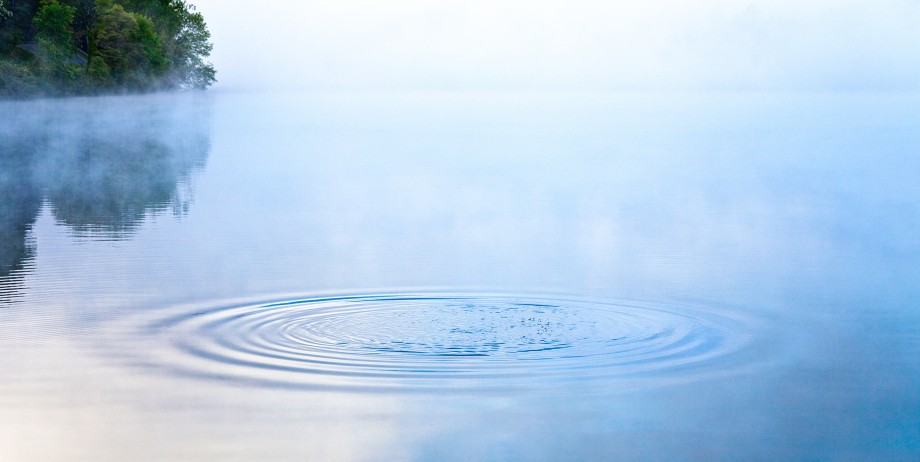
There is no chance and anarchy in the universe. All is system and gradation. Every god is there sitting in his sphere. Ralph Waldo Emerson     From atoms to galaxies the sphere is a prominent form because it requires the least amount of energy to form and has the least possible area for the […]

Appreciating The Aesthetic Dimensions

A blog series featuring form, line, color, contrast, texture, gradation… Television tower This posting begins a series that will focus on the aesthetic tools that visual artists and others use, singly and in combination, to create still and moving images that accomplish specific communication objectives. Knowing the purpose of an image before we pick up […]

V. Contrast / Social Contrast

Technically speaking, “contrast” in the pictorial realm is the ratio between the darkest dark and the lightest light in an image. “Soft” contrast at one end of the continuum indicates that there’s very little difference between the lights and darks, the extreme being a “muddy” or “flat” image, gray overall—as in the image below.   […]