Wisdom Of The Spheres

There is no chance and anarchy in the universe. All is system and gradation. Every god is there sitting in his sphere.

Ralph Waldo Emerson


Sphere 754


Sphere 782

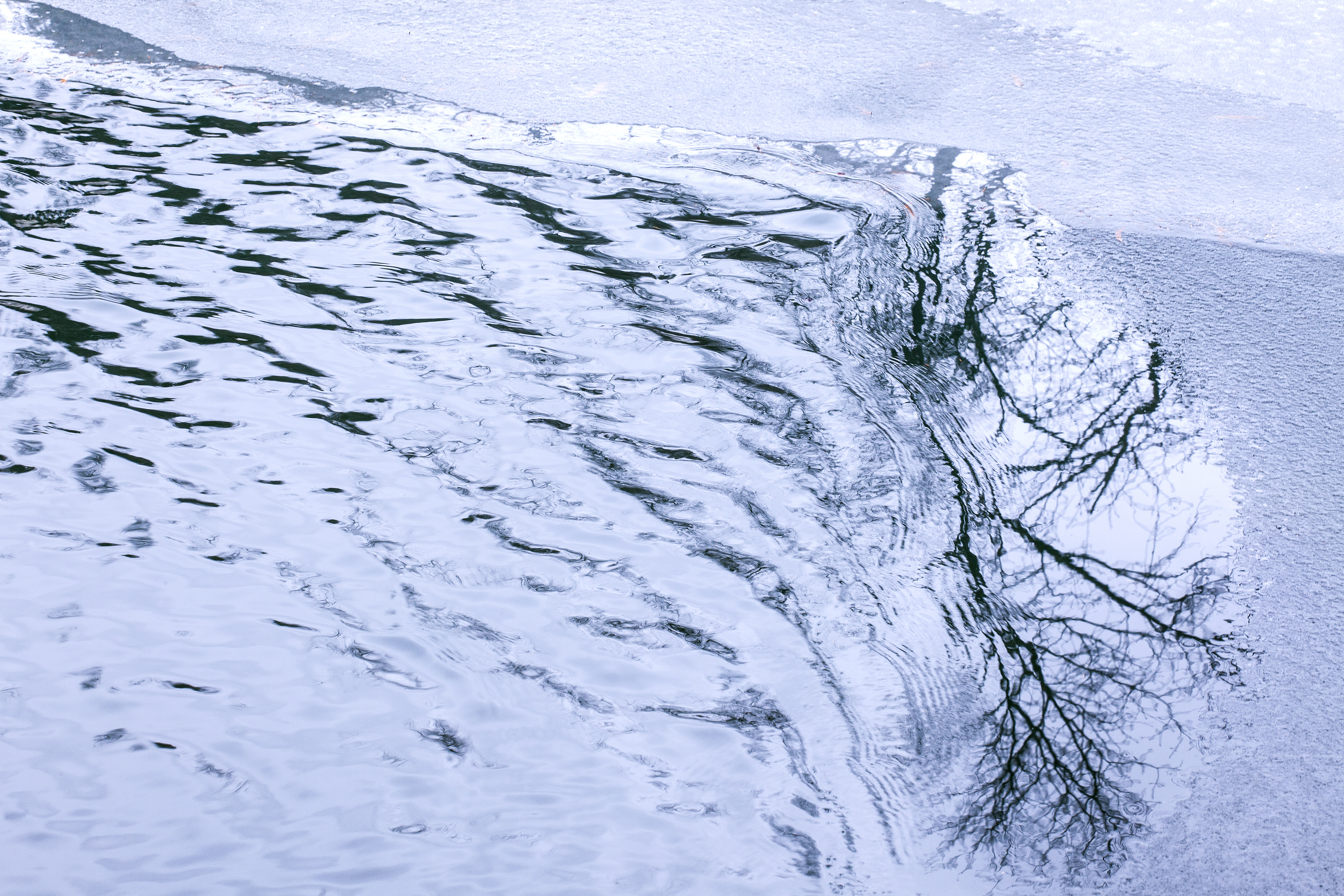
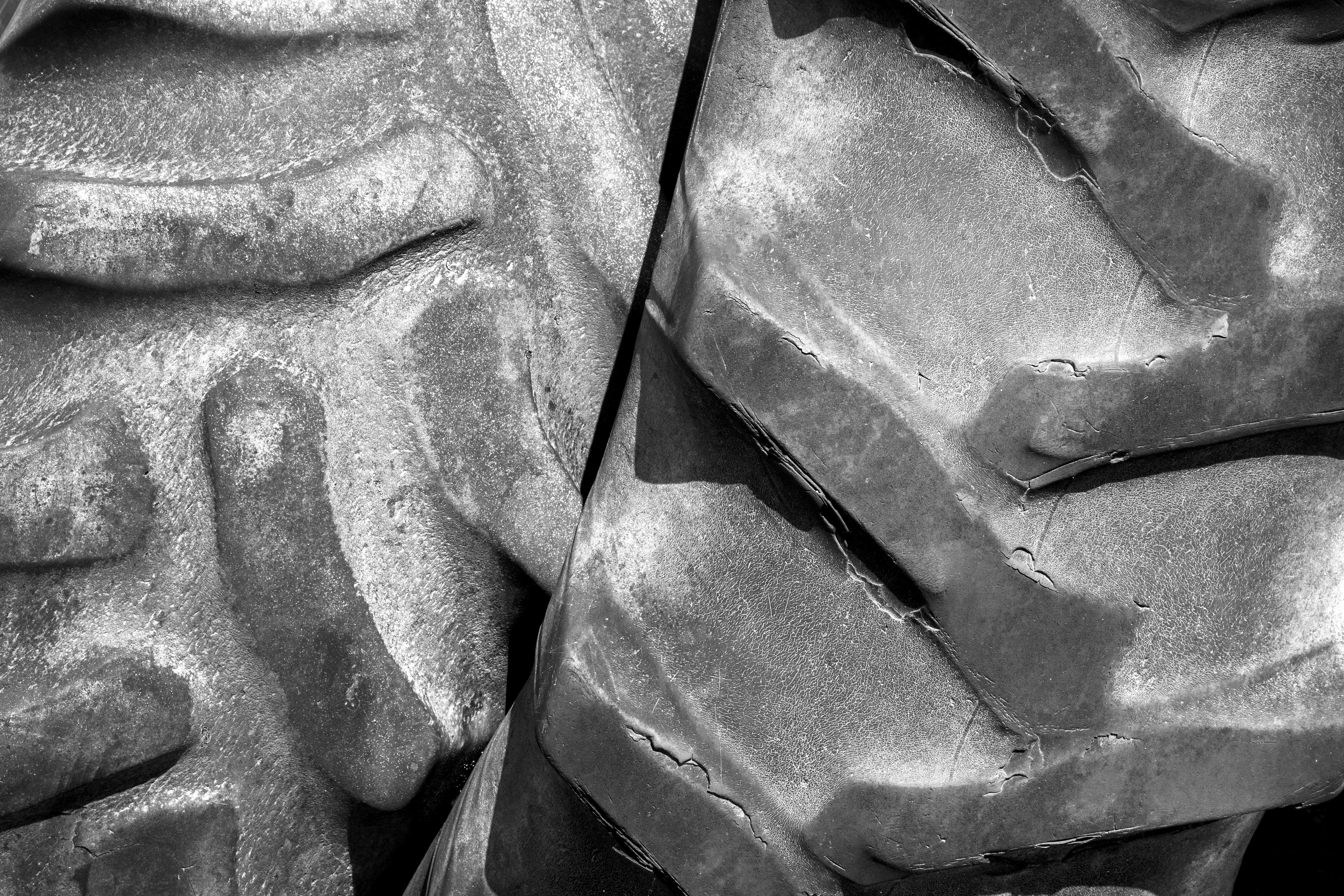
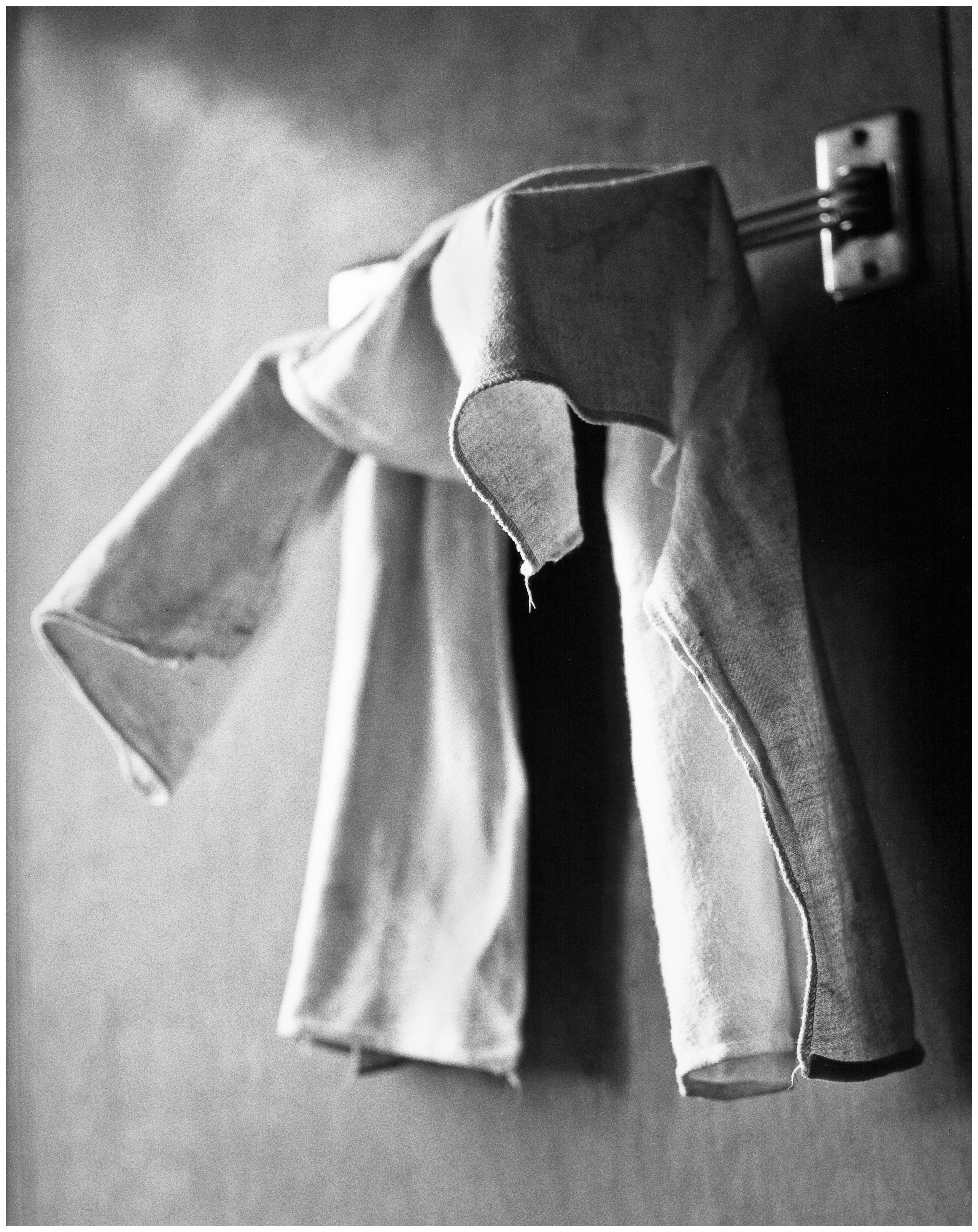
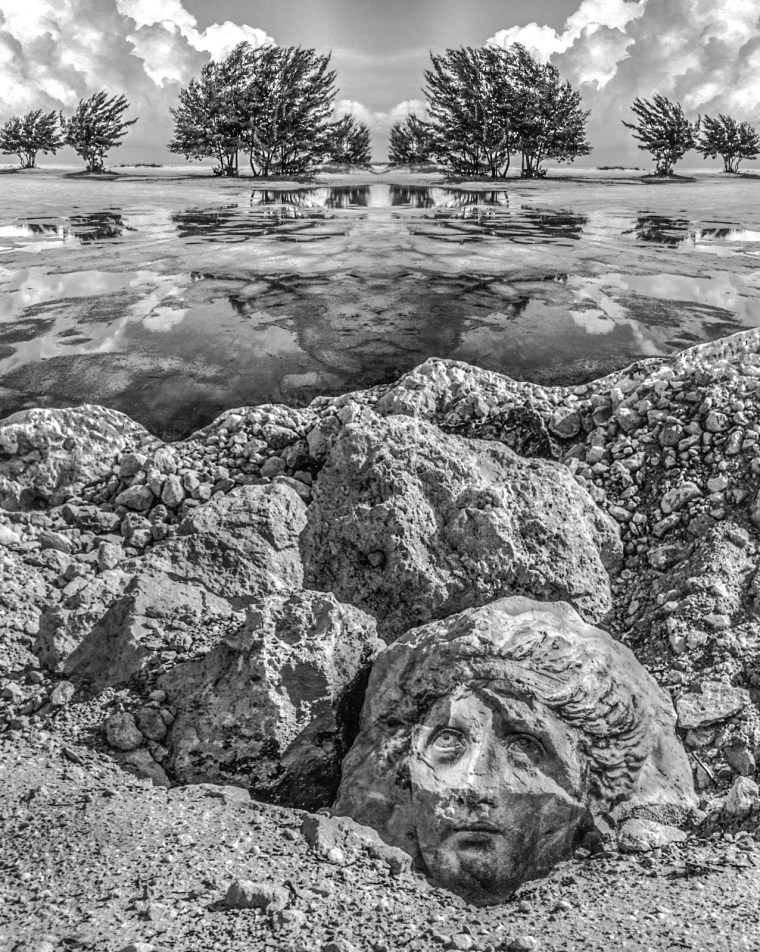
From atoms to galaxies the sphere is a prominent form because it requires the least amount of energy to form and has the least possible area for the volume it encloses. That makes it the most economical, energy-efficient way of enclosing and separating two volumes of space. In this instance, pools of oil lying on the surface of water in glass containers.

Sphere 779

Sphere 750

Sphere 725

Sphere 741 (c)

I wanted to create images that would contain sacred geometries and fine gradations. As in all my work, I was looking for subject matter and qualities of light that encourage contemplation and ideally lead to numinous experience. The spheres accomplished that for me by evoking the sensibilities of the micro level of living systems and the macro level of the cosmos.

A  description of the making of these images—and many more—can be found in my Blurb book entitled “Wisdom Of The Spheres.

Winter Solstice

A time to ponder and assess

Sun On Horizon


As December 21st approaches, I reflect on the significance that the winter solstice held for indigenous people and mark it in my own life as a way to attune, as they did, to the order and rhythms of nature and the cosmos. Having studied Mesoamerican cultures, particularly the ancient Maya, for many decades, I use them as my general reference here. But all indigenous cultures the world around, from Egypt to Indonesia, had rituals based on the summer and winter solstices.

Without instrumentation, the ancients developed their understanding of the world by observing the movements of the sun, moon, planets and other celestial bodies. The sun was viewed as the creator because it was known to be the source and sustainer of all life—an observation that is, of course, accurate, whatever name we attach to our star.

For the Maya, Ajaw K’in, “Lord Sun” and his movements were therefore of primary concern. His risings and descendings made the day, and his journeys made the seasons. They didn’t assume the world would continue year after year. Had the sun not risen on the solstice or any other day—perhaps from not being properly fed with prayer, incense and blood (considered the sacred sap of life; without it, there is death) the world would end. Every day, the sun’s ascension from the underworld was considered a rebirth. His dying, indicated by his descent at dusk, was seen as the necessary precursor for his rising or rebirth. The cyclical pattern of rising and falling and “traveling” along the horizon established the model for everything that lives.

Every morning, for hundreds of years, generations of sun priests got up well before dawn and stood on the steps of a temple facing due east to observe and mark the position of the sun. Initially, they sighted the sun rising atop tall posts they set on the horizon, and later the poles were replaced with temple rooftops.

From June to December they noted how the sun moved beyond the temple in a southerly direction. Then, on the morning of December 21st (in our calendar) something astonishing happened. (The exact date can vary by a day depending on the location and year). The sun “rested.” It stood still. And that was a cause for concern. Was Ajaw K’in trying to decide to make another round of days? Or not? The next day, when the sun rose again over the temple it was cause for great celebration, feasting and ritual dancing. And in the days following, the sky-watchers observed the sun moving north along the horizon. Continuing their observation, on the summer solstice, June 21st, the sun paused again and began his journey south again.

The significance of this “turnabout” for the ancients was that it indicated a time of rest and a change of direction. As above, so below—in life and the way they lived. It was a time for renewal, new beginnings, and rebirth. Logically, since the sun and the other celestial bodies (all perceived as gods) were so orderly in their journeys, the way to honor them and encourage their continuance was not only to offer prayers and sacrifices in rituals, but also to emulate them, bringing peace and order into the household and the community.  One of the reasons why I was attracted to the Maya was that they, more than any other culture, to a remarkable extent, modeled every aspect of their lives on the order, patterns and processes they observed in the sky and in nature. And they sustained that perspective and rituals over a vast territory for millennia.

For me, the winter solstice serves as a reminder to appreciate and align with the order of the universe. It’s a time to pause, take a breath and reassess life’s journey. Is what I’m doing in alignment with my purpose (Why I’m here?) and mission, what I’ve come to do. What are my gifts? Am/How am I giving them to family and those in my circle? What am I contributing to the world? What can I eliminate in order to better focus on what truly matters? Are my priorities consistent with my authentic values? What are the patterns, positive and negative, that persist? Might this be the time to prepare for or take a new direction?

The first peace, which is the most important, is that which comes within the souls of people when they realize their relationship, their oneness with the universe and all its powers, and when they realize that at the center of the universe dwells the Great Spirit and that this center is really everywhere, it is within each of us.

Black Elk, Medicine man of the Oglala Lakota, South Dakota


ANNOUNCEMENT

For many years I have maintained several large databases in the areas of the formal and social sciences and spirituality. Wanting to share the intelligence, insight, wonder and wisdom they contain, I invite you to visit my new blog. 

Love and Light Greetings

Inspirational insights in science and spirituality provide pathways to human and planetary flourishing. They lead us from chaos to truth, beauty and hope.

My intention with this blog is to provide words and images that will inspire, inform and encourage you to meet the challenges of the day with love, perhaps playing a part in the transformation of consciousness from separation and fear to unity and love.

Without charge or solicitation, these quick-read nuggets of substance—quotes, information clips, appreciations, poetry, anecdotes, good news stories and more—will feature the perspectives of lovers, artists, scientists, social engineers, poets and philosophers illustrated with my photographs.

David L. Smith

Home

What is it? Where is it?


The image of this nest evokes the notion of home. At a family gathering where Jennifer, my daughter, referred to her “home” at the dinner table, I questioned whether she meant her home with us, her parents, or her home nearly two hours away with her husband and son. I asked her, “What do you think of, when you think of home?” Her response sparked fascinating insights and discussion around the table.

So, what do you think of, when you think of home? Is it the people? The physical structure? The circumstances? All of these? Around our table, one of the responses was, “I’m reminded of my college years, I was really happy where I lived.”

What for you is the experience of being at home or feeling “at home?” When I was working on projects that involved frequent trips to both coasts, I felt so at home with the people I was working with they became friends as well as colleagues. That happened because of shared interests and goals, also resonance. But curiously, I didn’t decide to move close to them. Also curious, when I visited Palenque, a Maya site in Chiapas, Mexico, I felt so comfortable sitting on the steps of a temple there, I felt at home, like I could have stayed there the rest of my life.

When were you most at home? I expected those around the table to cite their present dwelling place. Not so. It took me several moments to even discover the answer for myself—that where I live now is home. It’s where I feel most myself. If one’s current dwelling place is not necessarily home, is there anything or anyone who could turn it into one? I think most of us would agree that “a house does not a home make.” And what about people who have multiple homes? Are they equally “at home” in all of them or just one? And what about “homeless” people? If they retain a memory of home, do the long for what they had, or a perceived ideal? 

What qualities and characteristics are essential for you to consider a place home? Location? Type of dwelling? For instance, could you consider yourself at home in a condo or apartment? If so, what would be necessary to take with you? Considering your current dwelling place, what could you eliminate and still feel that it’s your home? With only the essentials remaining, what do they provide? Mine include computers, books, family photos and photography equipment. Without those, I wouldn’t feel at home. They are the tools that provide me the opportunity to better explore, understand and express myself in order to grow and contribute. 

What does it mean to be at home?  The protagonist in my novel, Jaguar Sun, discovers that home is a personal construct requiring both inner and outer resources. Before he can come to that place, he has to know who he is. Knowing that, he can be comfortable wherever he sleeps. From a physical standpoint, the nest in the above image, a composite of twigs, dirt and other items gathered from the environment, provide the bird and its young with warmth and protection. Is that the essence of home? Does a roof over our heads with comfortable appliances and furnishing do the same for us?

Might we also consider that, given our composite nature, the place we call “home” includes emotional and psychological environments that are conducive to comfortable living and peace of mind? Or is home just where we have our stuff? Is it the place where we live with significant others? As an armchair anthropologist, what stands out for me is the diversity of responses to these questions. In the end,  home is a construct. Largely because of the diversity in upbringing and life experience, we define it differently. 

It’s been said that “Home is where the heart is.” I’m reminded of a prior post featuring a closeup image of a chicken egg. Nested within such an egg, there’s nourishment, safety, comfort, connection and the development of potential. Maybe what we want in a home is not all that different.

Considering the meaning of the word “home,” one of the fundamental characteristics of living systems is  “nesting.” We live and move and have our being somewhere in the middle between quarks and cosmos, between suffering and peace. Along the way, we learn that a home isn’t merely a place. 

If there is to be peace in the world,

There must be peace in the nations.

If there is to be peace in the nations,

There must be peace in the cities.

If there is to be peace in the cities,

There must be peace between neighbors.

If there is to be peace between neighbors,

There must be peace in the home.

If there is to be peace in the home,

There must be peace in the heart.

Lao-tzu, Chinese philosopher


Nature’s Design Principles

The seeds we water are the ones that grow

Winged Red Maple Seed

Over time, a species of tree that evolved into the maple did so in part because it succeeded in finding a way to disburse numerous seeds over a greater distance. As kids we called them “pinwheels” or “helicopter seeds.” Hedging no bets in the area of reproduction, between 12,000 and 90,000 of these seeds can fall from a single tree in one season.

In this image I see a delivery system, a “package” perfectly designed to accomplish its mission. The heavier bulb containing the seed responds to gravity, pointing downward so it can penetrate the ground, while the aerodynamic “wing” system takes advantage of the wind to disperse the seed beyond the tree’s roots where it can germinate in fresh soil with the added advantage of increased sunlight. The design alone increased the odds of successful reproduction.

Because creation begins with imagination, when I think of seeds, I think of ideas. Of the number of ideas I’ve had, relatively few passed beyond germination. Fewer yet reached maturity. With time and experience we become more selective in our wanting, but how is it that some goals, even when pursued with passion and persistence, do not come to fruition? Two examples, one from business the other from teaching, come to mind for me, both of which—in hindsight—provided the same simple but profound lesson: Apple trees don’t grow from peach seeds. They are both fruit trees, but their inherent designs, growth needs and strategies are very different.

If I were king of the world, students would be exposed to nature’s design principles and strategies before they graduate from high school. Like many of us with vivid imaginations, I generated many ideas about what I could do and what I wanted to do. Had I known, even metaphorically, that ideas and initiatives grow organically from the ground up (not the top down), from seeds (ideas) planted in soils rich in nutrients (money and resources) with lots of sunlight (intelligence and wisdom) and caring hands (a collaboration of peers), the ideas mentioned above would likely have blossomed. Instead, they now reside in folders in my “Uncompleted Projects” file drawer.

On the other hand, perspective: had those ideas manifested, I would not be the person I am today. And although those ideas still tug at my heartstrings, I consider myself better off for having learned what doesn’t work. Certainly, had either idea matured my lifestyle would have been chaotic. I needed to learn some very important lessons by missing the brass ring. And that’s perfect. Had I understood something of nature’s design principles and strategies, I like to think I would have directed my attention differently.

In our consciousness, there are many negative seeds and also many positive seeds. The practice is to avoid watering the negative seeds, and to identify and water the positive seeds every day.

Thich Nhat Hanh


Purpose

Who do we listen to? What are the messages we’re receiving?

Times Square


“Makin’ your way in the world today takes everything you’ve got…”

Cheers (Theme song)

Messages coming from others—

You could…                                                    Distraction

You need to…                                                Distraction

You’re so good at…                                      Distraction

Why don’t you…                                           Distraction

Let’s go to…                                                  Distraction

Save! Buy now…                                           Distraction

If only you would…                                       Distraction

If you want to make me happy…                Distraction

You’d be better off…                                    Distraction

You should go to…                                       Distraction

More people would notice you if…             Distraction

You never…                                                    Distraction

You don’t have what it takes.                      Distraction

Messages coming from within—

I could… (do anything)                                 Distraction

If only…                                                           Distraction

I need to…                                                       Distraction

If I work harder…                                            Distraction

How can I get him or her to…?                     Distraction

The easy way would be to…                         Distraction

He or she does or does not like me.           Distraction

If I had…                                                          Distraction

I should go to…                                              Distraction

I can get it done…                                          Distraction

I can’t…                                                            Distraction

More. Better. Faster.                                      Distraction

I could be cool.                                               Distraction

What will they think?                                      Distraction

Distraction from what?                                                            Purpose

Not knowing my purpose, I am adrift.

Knowing it, I have both an engine and a rudder.


Find out who you are. And do it on purpose.

Dolly Parton

______________________________________________

Email: smithdl@fuse.net

Portfolio: DavidLSmithPhotography.com

Photography Monographs (Click on the pages to turn them)

Tranquility

Reflecting as a floating leaf

Leaf In The Surf

One among many leaves that float on the surface of life, I ride the waves.

The calm—

meaningful conversations,

helping where help is needed,

Linda’s cooking; Graeter’s ice cream; Skyline chili,

Scott Hamilton’s tenor saxophone; Chuck Mangione jazz; Andrea Bocelli; Beebe Adair piano

backroads to photograph; photographing in the studio; producing books

orange tabby cats, jaguars; 

The West Wing; Northern Exposure; Morgan Freeman’s Through The Wormhole, Downton Abby

The Life of Pi; Avatar; Singin’ In The Rain; Contact; Close Encounters Of The Third Kind; Ghost

The turbulent—

war; man’s inhumanity to man; intolerance; cruelty to animals

not being able to help when help is needed,

loud music in malls and bookstores; discordant jazz, 

loud talkers in restaurants; busers clearing gravy-stained plates near the table,

littering; line jumping; horn honking; cursing and swearing; robo calls,

television ID’s in the corner of the screen; hype and destructive commercials

apocalyptic movies,

On the surface I come to know who I am and where I fit.

Beneath the surface, I relish the depths; expanse; it draws me.

Further down, stillness; peace of mind.

Deeper yet, ironically, in darkness comes greater illumination.

Descending through the abyssal plane, the adopted surface-self diminishes.

No place to look, no distractions, authentic self emerges.

At Tranquility Base, the place where not knowing is embraced, being takes precedence over doing.

There, aware of how much more there is—and how much more there is to all of us,

I rise to the surface with fresh insight: Though I am still a leaf, I am more. And One.

You can’ t do anything about the length of your life, but you can do something about its width and depth.

Henry Louis Mencken

________________________________________

Email: smithdl@fuse.net

Portfolio: DavidLSmithPhotography.com

Photography Monographs (Click on the pages to turn them)

Collaboration

It’s how we build a better world for everyone

Urinal Handle

If this object happened to be found by future archaeologists, isolated and with nothing to compare it to, it would signify the existence of a complex and highly advanced civilization—even if its function was not known. The evidence: chromed metal, parts that function together as a whole, intricate design, meticulous manufacturing, a “system” to convey the flow of water complete with fittings, seals and regulators to control that flow—all without leaking. Although such an item could well be exhibited as an object of ancient art, the clear indication is that it was functional and probably mass produced.

Civilization. It’s what can happen when people, oriented toward a common vision, come together to collaborate, not to serve or support a powerful individual or committee, but to build a social structure that works for everyone—bottom to top. For me, at this stage of human evolution, one of the indicators of an advanced society is the extent to which people work together to create and maintain an infrastructure, particularly, but not solely, systems that satisfy basic human needs including abundant and healthy food, clean water, sanitary and safe living conditions, efficient and effective means for managing waste, safe and efficient transportation modalities and widely distributed electric power.

Social collaboration is difficult and slow to evolve, in part because of the prerequisites. People have to have a common objective, come together, agree and contribute labor. They have to be willing and able to pay taxes. There has to be a trustworthy management team that has both know-how and access to resources. And all of this needs to be coordinated within a structure where, again, the intention is to build a workable and sustainable society for everyone.

What prompted my selection of this image for contemplation is that it stands as a symbol of collaboration, in contrast to symbols of dysfunction, such as conflict, poverty and crime. Other signs include the felt need to own guns and other weapons for protection, buildings that lack plumbing, contaminated water, open sewer trenches, shanties and so on.

Without becoming maudlin or political, I observe that in many places age-old rivalries, greed and power-grabs are preventing the possibility of collaboration, thereby sustaining conflict and violence in a vicious cycle of pain and retribution. I don’t have a solution. But I do have faith. In the final analysis, human beings want to have the freedom to be more, do more, have more, know more, contribute and experience life more fully. History has shown that those who interfere with that, don’t long endure.

It’s going to take collaboration of the whole planet to save the planet.

Joseph Firmage, Scientist, futurist, author

 ___________________________________

Email: smithdl@fuse.net

Portfolio: DavidLSmithPhotography.com

Photography Monographs (Click on the pages to turn them)

Bounty And Beauty

An appreciation

Amish Hay Shocks

Two words come to mind when I look at this image: bounty and beauty. Even more than the wheat shocks, the cultivated ground on which they stand evokes in me a sense of the skin of the earth—how thin it is and how marvelous that, year after year, seeds dropped into it rise in such a short period of time to provide the nutrients we need to survive. It seems like a miracle—until I remember that it’s part of the chain of interconnections that evolved to make life sustainable and more abundant.

Images like this also remind me to appreciate that we in the technologically developed nations of the world enjoy regular and bountiful harvests. It’s not something to take for granted when, according to the United Nations Food and Agriculture Organization, in 2021 10.7% of the world’s population (7.6 billion people) suffer from hunger. That’s 815 million people.  

I made this photograph in Central Ohio’s Amish country with a 4×5 view camera. As I was standing close to a busy road with my head under a dark cloth to adjust the composition on the ground glass, I heard a horse and buggy approaching. Not wanting to get my tripod bumped or frighten the horse, I stepped aside and waved for the driver to pass. Surprisingly, he stopped and let traffic go around him. “You like that field do you?” said the long-bearded farmer wearing a wide-rimmed black hat.

“I do,” I replied. “These fields are amazing. May I ask what those stacks are called?”

“Shocks,” he said. “Wheat shocks. Do you know why we arrange them like that?” I shook my head. “It’s a lot more work to do it that way, and it takes longer than rolling. Either way, the bulk of the wheat stays dry. But we do it because it’s beautiful.”

That little but precious comment took root in my soul that day as both an inspiration and an injunction to, as much as possible, make beauty an essential component of all my creations. I don’t always succeed, but the intention is firmly planted.

Beauty is finally our surest indication of whether what we do is in the most creative direction for nature as a whole. 

Fredrick Turner

_____________________________________________________

Email: smithdl@fuse.net

Portfolio: DavidLSmithPhotography.com

Photography Monographs (Click on the pages to turn them)

Acknowledgement

Appreciating those who support the great pyramid of society

Bearers Of Light

Late evening, New York city. Men hauling pipe on a busy sidewalk. I see shadows, light, pedestrians and aging cement. I also laborers playing their part to deliver materials to those who will used them to fix a problem, maintain a system or realize a dream. Although I can’t tell much about these individuals beyond their forms and a hint of clothing, they speak to me of the mass of people who provide the goods and services that keep the wheels of society churning, the everyday people whose hauling, building, cleaning, repairing, collecting, moving and monitoring activities are essential yet not glamorous.

I’m reminded of a luncheon I attended at the headquarters of a multinational corporation. Waiting in the lobby for my host, I read the company’s impressive mission and values statements. I was introduced to the CEO and other officers. People dressed professionally throughout. Luxurious facilities. The details of the meeting are lost to me now—except for one that I will never forget.

After lunch my host, a relatively new department manager, led me to a place where we dropped off our food trays. Behind the open window, an older woman wearing a hairnet and apron busily took the trays as we slid them to her so she could move them onto a conveyor belt headed for people who separated the items on their way to the dishwasher.

My host and I were talking but she stopped. “Excuse me David,” she said. She turned and set her tray down, but held onto it so the woman couldn’t take it. “Hello!” she said, looking her in the eye. “I just want you to know how much I appreciate what you do here.” She said something else, but I didn’t hear it. A line was forming in back of me. Moving on, I asked my friend if she knew this woman. She didn’t. “I think it’s really important to acknowledge people for what they do,” she said. I asked if everyone there did that and she answered, “Probably not. But I have to.”

Indeed. Acknowledgement. She probably made that woman’s day. Certainly, she made my day. And the best part, it left such an impression that I have ever since wanted to emulate her simple words of kindness. And so this image calls me to acknowledge and appreciate the hard working and largely unnoticed individuals who keep everything running. They constitute the foundation of the social pyramid. Without them, it could not stand.

We’re a country that acknowledges only those who stand on the victory podium, but some of my heros come in last.

Bud Greenspan