Chapter 2: Atmosphere
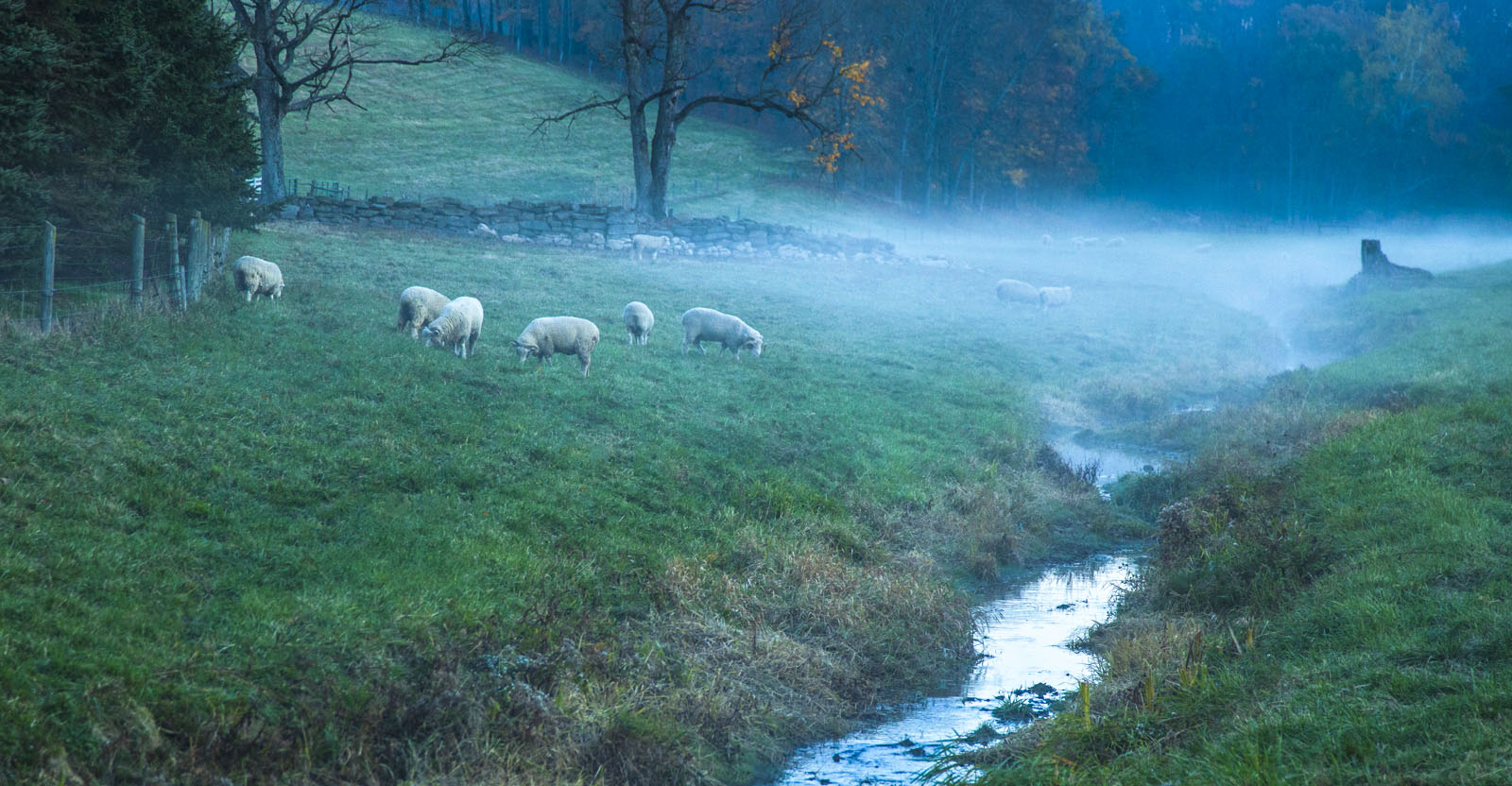
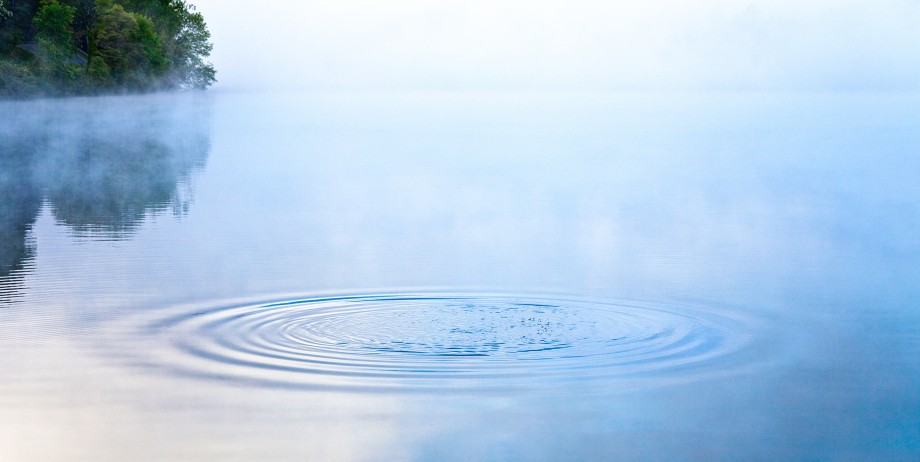
Atmos is a Greek word meaning “vapor.” Sphaira means “sphere.” Combined, scientists use the word “atmosphere” to describe the layer of gases surrounding a planet, held in place by gravity. Artists have long understood that atmospheric effects contribute to the emotional tone of a painting or photograph. Misty variations in light and shadows with shifts in color create a softening effect and enhance the feeling of depth. Because fog and mists are constantly changing, there’s also an underlying sense of movement. In particular, still photographs capture and hold these fleeting moments. Aesthetically, atmosphere is a core element in expressive photography.
CREATIVE APPLICATION

Whatever the lighting conditions, it’s the reduction of image acuity or sharpness that produces the softening effect. When the atmosphere is thick and variable, it can become a major feature of the image, even frame and contextualize the primary subject.

Spread evenly across the frame, atmospheres serve as a kind of background. Outdoors, the time of day and conditions determine the color and the extent of diffusion—yellow on clear mornings, blue when it’s overcast. Because atmospheric effects are so weather dependent and variable, photographing at specific times and locations are hard to plan. When ask the secret to his success, street photographer Henri Cartier Bresson famously replied, “Be there and f8.” For something wonderful to happen in front of the camera, we have to be somewhere.
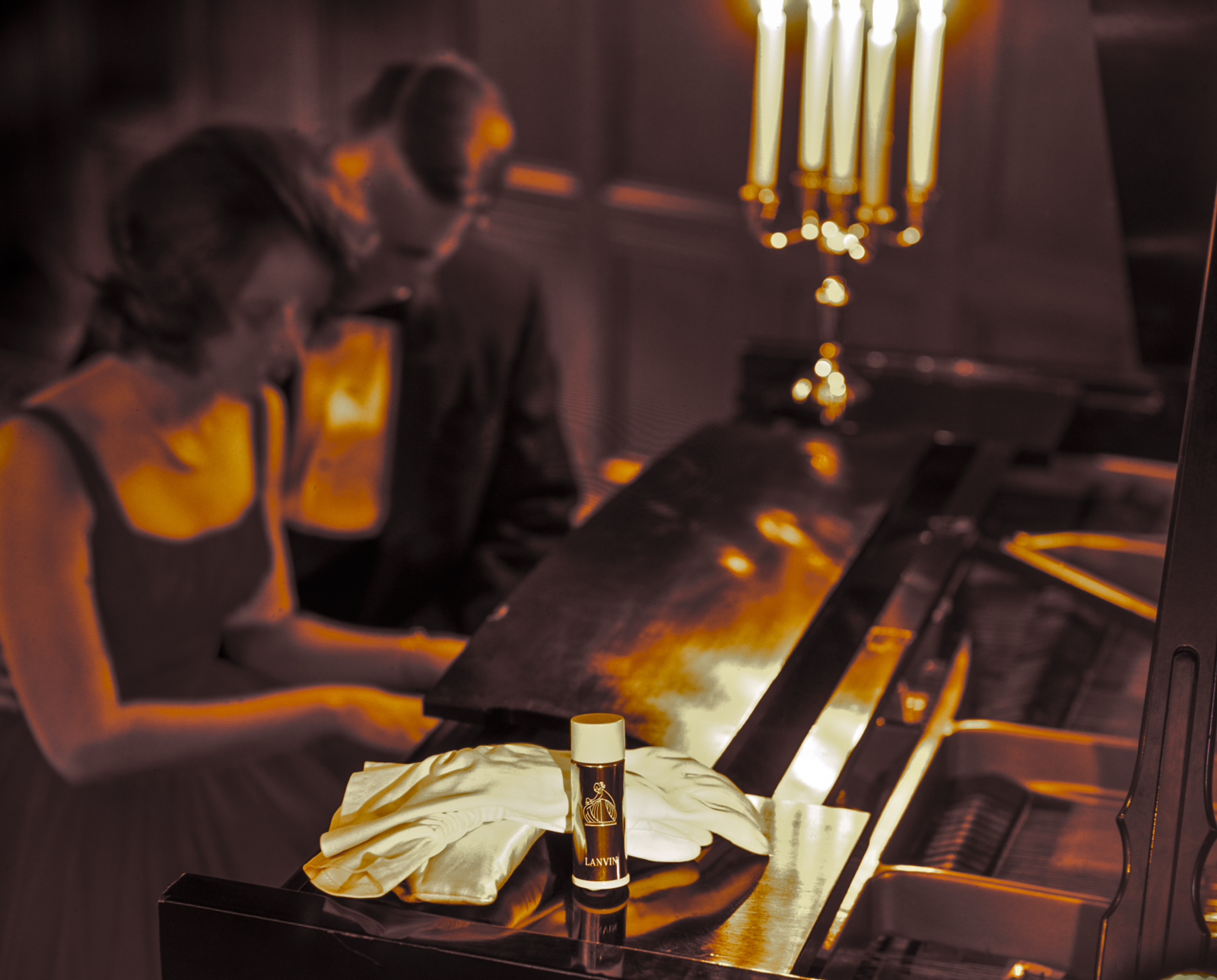
Advertisers and other designers use atmosphere to evoke emotion and beauty. They understand that consumers are attracted to products associated with a certain look, lifestyle or experience. It’s why, on television, glamorous models are used to sell perfume and trucks are shown on deserts and off-road mountain tops. Due to the purposeful lack of acuity, atmospherics contribute to creative expression, but are generally not favored by professionals when the communication objective is to provide information.
TECHNIQUE
Outdoors, atmosphere takes the form of condensation, precipitation or particulate matter such as steam, smoke, fog or smog. One of my favorite times to photograph is when the temperature changes quickly in the morning so the fog is dense and flowing. This can be anticipated by watching weather reports for days when there are extreme shifts between late and early morning, where the humidity is near 100% and when the temperature rapidly drops at night. Ahead of time, we can prepare for fog by taking notice of low-lying areas near water.

Having selected a location miles from home, I arrive in the area a day before, settle into a place to stay and drive around shoot through “magic hour”—golden sunlight until dark. I get up very early, find a spot near water and photograph from sunrise until the atmosphere clears. That gives me three-to-four hours of shooting atmospherics. In fog, elements close to the camera are sharper. With distance, color saturation can diminish and blurring increases to produce a veiled or muted effect.

With the aperture stopped way down and a long exposure, the fog overlaying the distant tree line stayed sharp. The greater the distance, the more atmospheric fog becomes blue and then purple.

Atmospheric images can be created indoors. Working in my basement studio, I positioned a clump of weeds in front of a desktop computer that displayed a photo of storm clouds taken in South Dakota. The clouds were sharp, so to create the effect of distance I set the camera’s aperture to wide open, thereby reducing the depth of field between the weeds and the screen. When using a computer as a background, the room needs to be dark to eliminate reflections and the focus has to be slightly off, so the slight texture of the screen doesn’t show.
Atmospheres Characteristic of Place

Dr. Albert Sabin, developer of the polio vaccine
The atmosphere of a place is its “sensibility,” the impression we get when we enter a space. When shooting interiors, “hard” surfaces can be softened with diffused lighting, generally from above or at the camera position. Here, I bounced a 250W quartz light off a corner of the ceiling. The resulting shadows from the wooden racks are blurred and serve as vectors pointing to Dr. Sabin. Another light, placed high behind the camera with a diffuser—to simulate a ceiling light—softed his skin tone and kept the shadows of his coat very soft.
On the other hand, a soft-looking interior can be made to sparkle by shooting at night and using a single, specular source. In this case, an unfrosted quartz bulb. Diffusion decreases contrast and softens; specularity increases contrast and detail.
Social Reflection
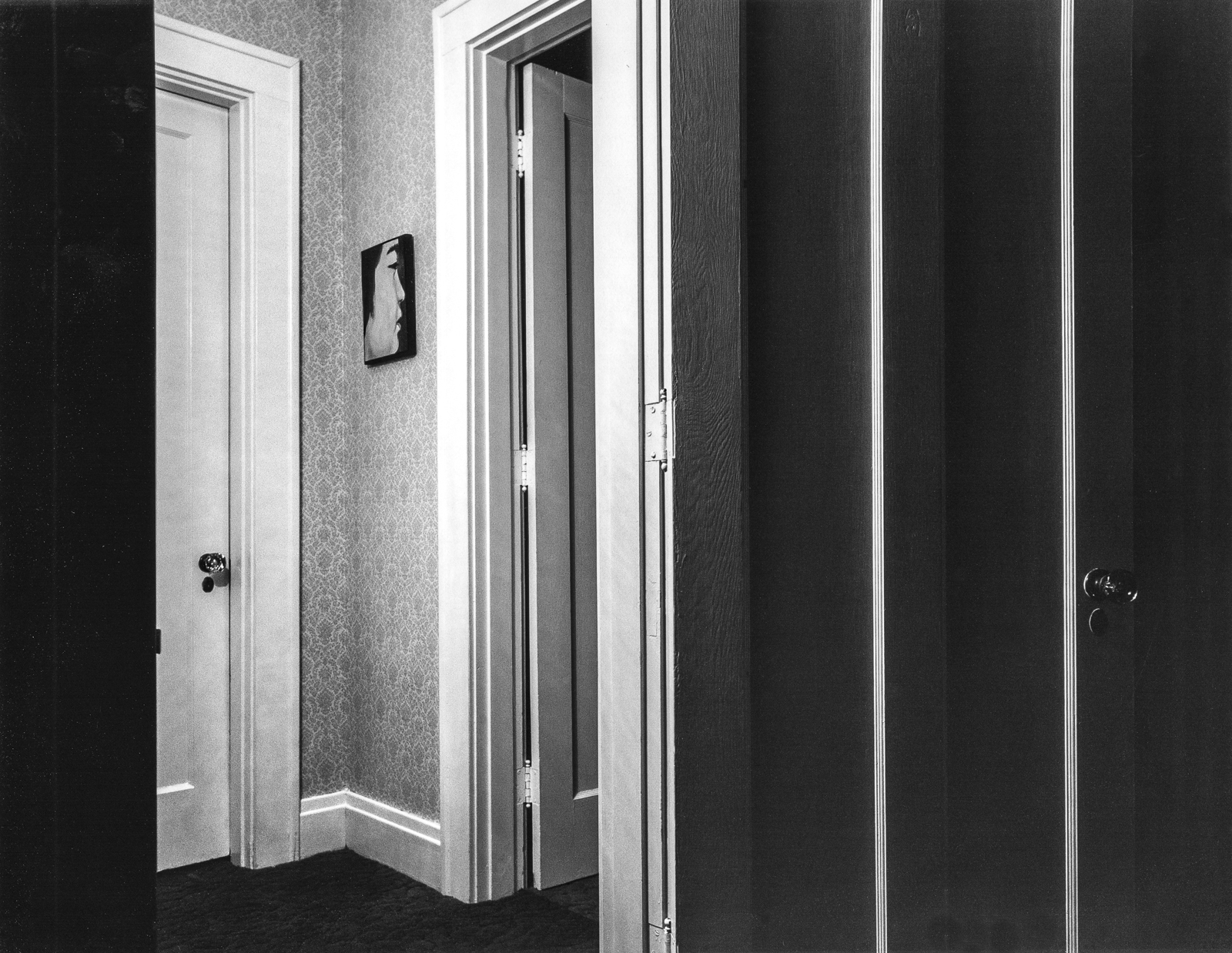
Socially, the term “atmosphere” refers to the emotional and psychological sensibility of a place or event. It’s not only the feeling we get from a space. Taking in the lighting, sounds, colors, odor and decor, we make judgments about the consciousness, values and temperament of the person or persons responsible for it.

My master’s dissertation in Communication Arts demonstrated that a group of diverse strangers entering a vacated residence could accurately describe the homeowner’s interests, educational level and values on standardized tests. How would you characterize the sensibility of this room? How does it make you feel? Welcome or not? Comfortable or not? What does it “say” about the person who manages this space?
Consider a restaurant where the floor is concrete, the chairs are hardwood, utensils are plastic, walls are bare and loud music makes conversation difficult, with one where the silverware is wrapped in cloth napkins, the seats are padded, the lighting is soft and acoustic wall coverings dampen the sound of conversations with only a hint of music.
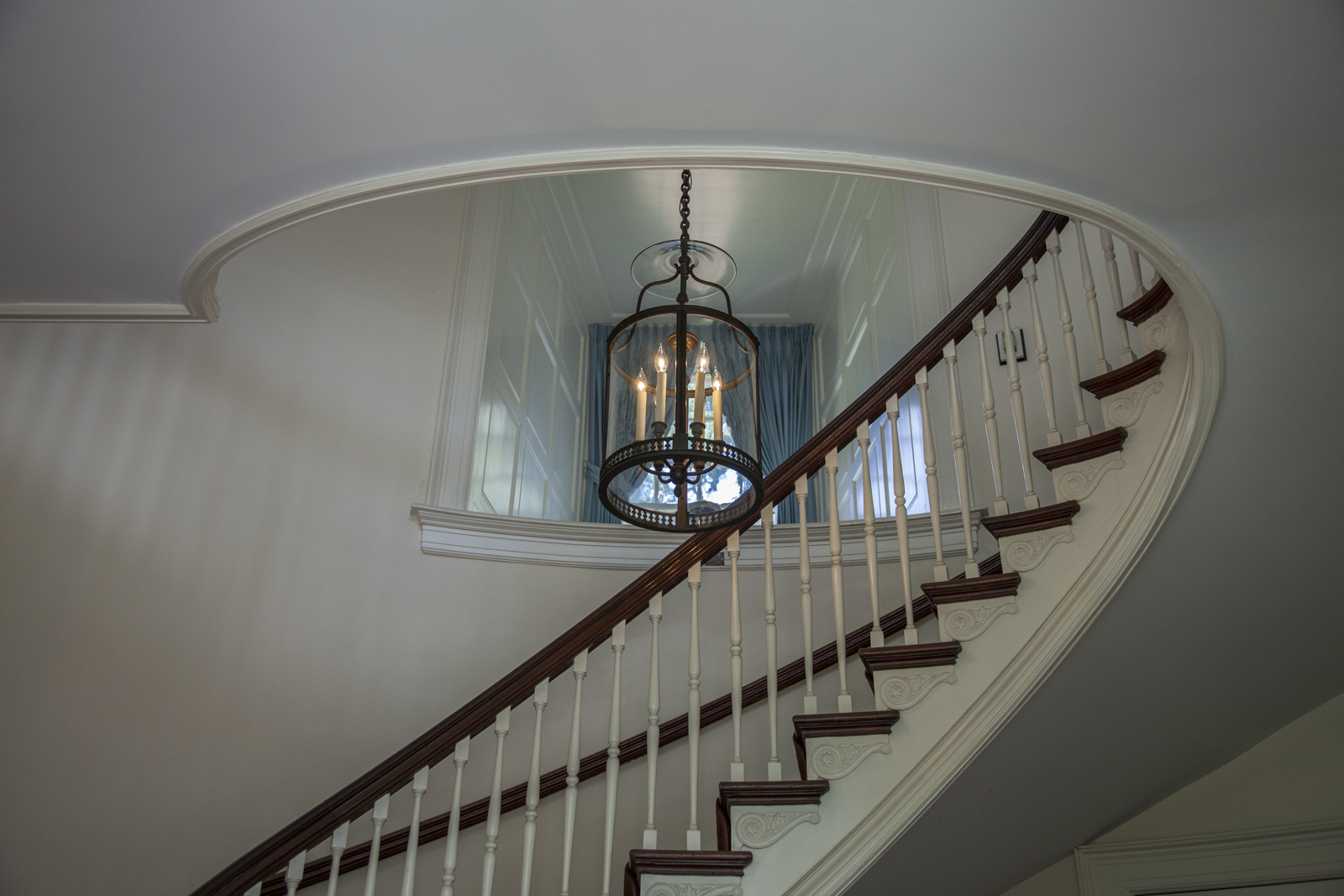
There are “hard” and “soft” atmospheric spaces. Some are simple, others complex. All of them reflect the purpose and thinking of those who created, organized or managed them. This holds for businesses and entertainment venues, wherever people gather. There’s no right or wrong, better or worse. People get married at City Hall, in a church, at a Los Vegas wedding chapel, in a garden or a sailboat. Different spaces appeal to different people for different reasons. Astute photographers, understanding the significance of atmosphere, use it to advantage.
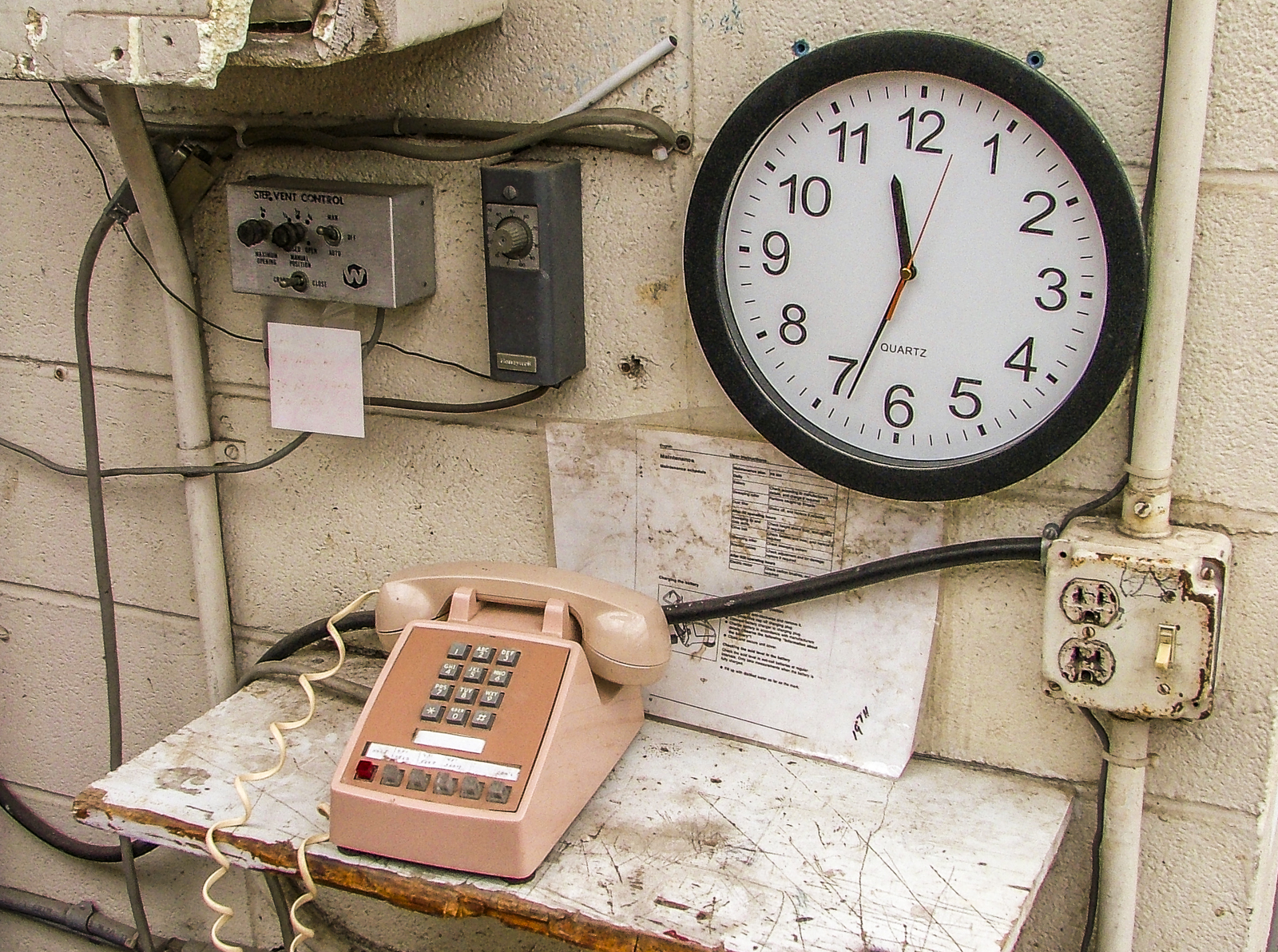

As human beings who seek a variety of experiences, many of us, at one time or another, explore the full spectrum of available atmospheres. Growing up, I enjoyed vibrant atmospheres, loud with lots going on. Now, I decidedly lean toward places that are quieter, softer and calm, more inspirational than informational, more meaningful than entertaining. If we care to notice, indoors and out, every place communicates.

A happy life must be to a great extent a quiet life, for it is only in an atmosphere of quiet that true joy dare live.
Bertrand Russell, philosopher
My other sites—
 Contemplative Photography