
Chapter 4: Everyday Beauty
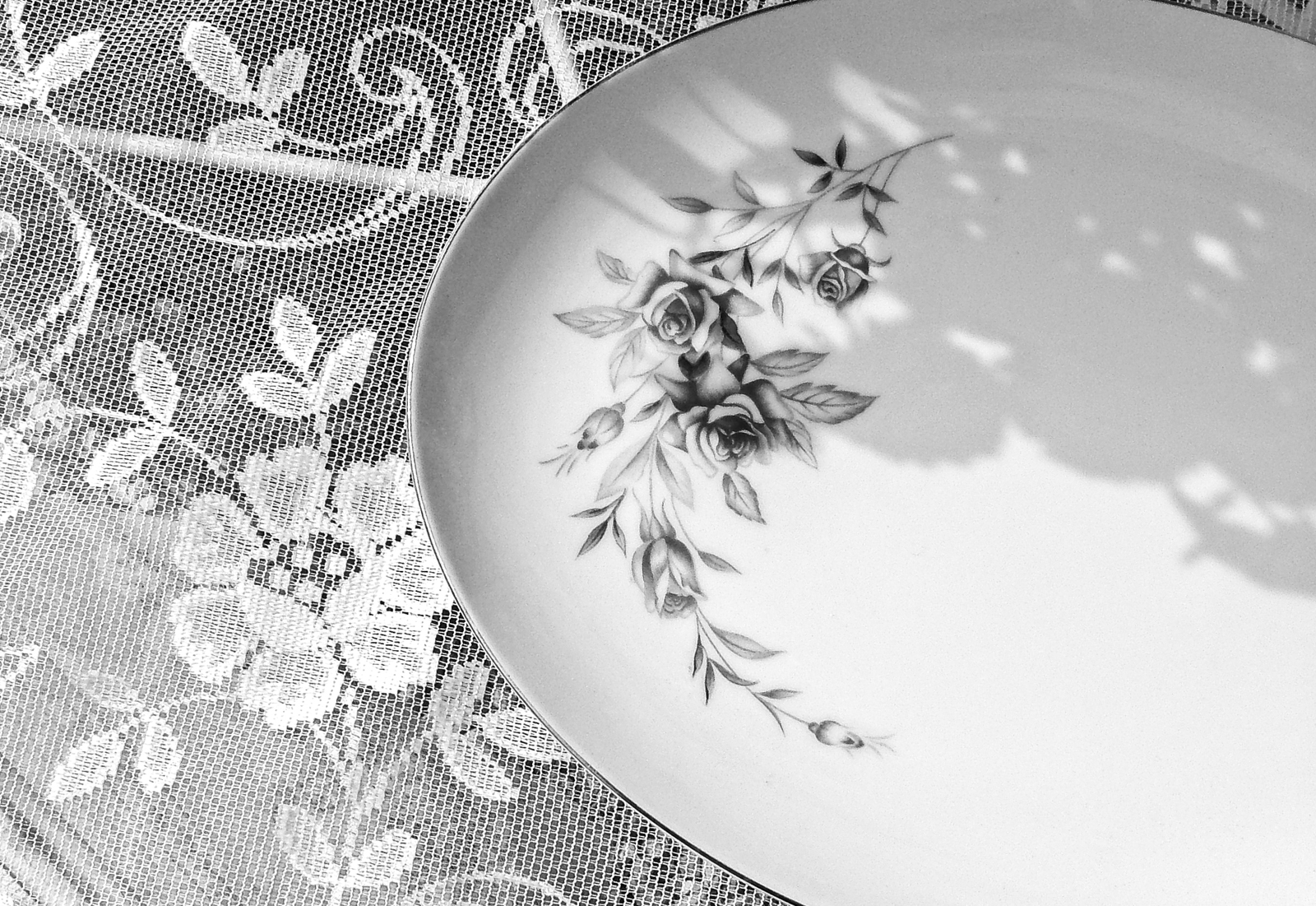
Searching for opportunities to compose elements within a frame in ways that fed my aesthetic hunger, I frequented scrap yards, construction sites, abandoned buildings, empty fairgrounds, railroad graveyards and antique shops. As a consequence of creating order out of visual chaos, I was experiencing beauty in unconventional places and subjects. It taught me that I didn’t need to go to the beaches, national parks or anywhere else to find beautiful subject matter. All I had to do to transform an ordinary object into a beautiful one was to decide to see it that way—with or without my camera. Beauty is a choice we make.
My curiosity about this has been an evolution. As a child, I thought certain people, places and things were intrinsically beautiful and others were not. Through readings and formal education I learned that beauty is subjective and it varies widely between individuals. In particular, camerawork taught me that beauty can be manufactured, as when we light or arrange a subject in a more pleasing way. The following images—from my Blurb monograph, Weeds: God by the Side of the Road—illustrate the benefit of being able to control the lighting. I gathered a lot of weeds by the side of several roads over a three-week period, set them against a black background in my basement studio and lit them with one light and a reflector.
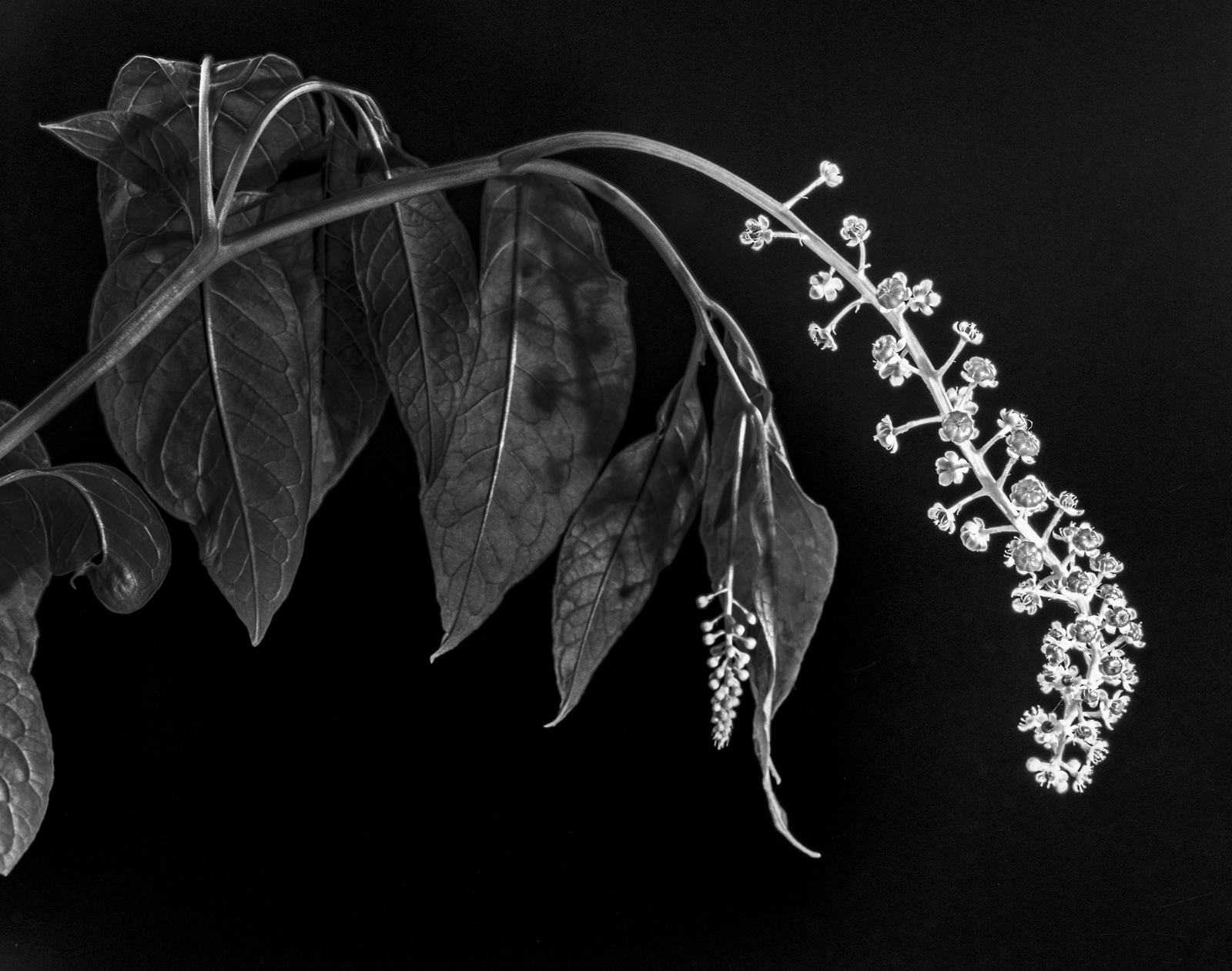

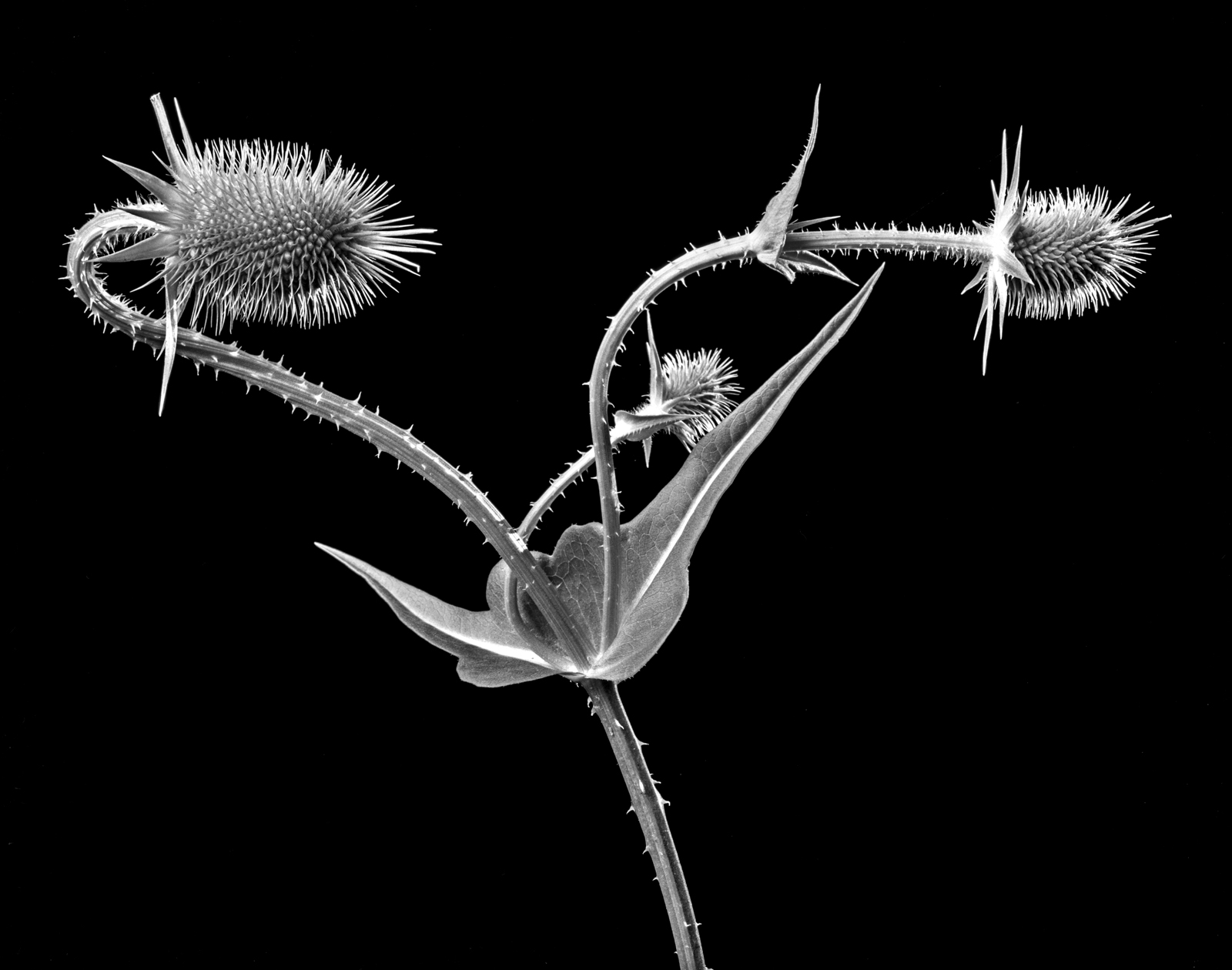
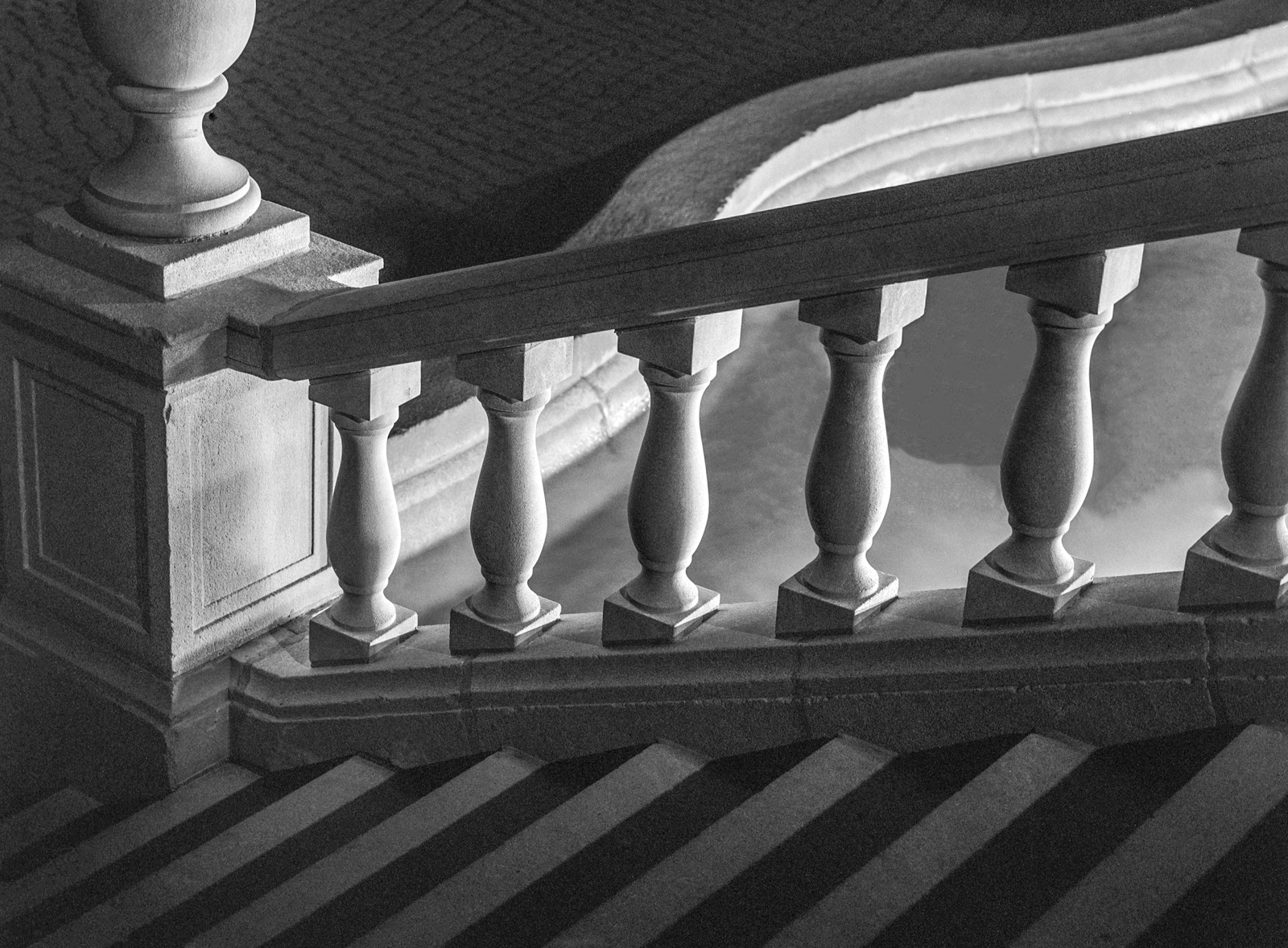
As subjective experience, beauty (along with goodness and truth) evades description. Nonetheless, each of us can, through contemplation, find some words to better understand the place of beauty in our lives. For me, it often comes when I encounter nature’s design principles—patterns in nature and in man-made objects. Beauty isn’t just something to search for, it’s something to be open to—and created. It may be in the “eye” of the beholder, but it’s also in the heart touched by an appreciation of what’s in front of us every day. One way to better see it indoors is to turn out all but one light. And outside, we can let the lights at night attract our attention to a variety of subjects.

It’s not what you look at that matters, it’s what you see.
Henry David Thoreau, American naturalist, philosopher
One of the teachings in Zen Buddhism is “unitive perception,” being able to see the present and eternal simultaneously, the sacred and the profane in the same object. By stopping, paying attention to details and refraining from naming things, that can happen. The beauty of going in close is one of the reasons why, when people ask about the equipment I recommend, a prime (not zoom) macro lens tops the list.
With an expressive photograph in hand, we can ask ourselves what it’s saying about the universe, our world, culture, humanity and us. By contemplating the subject’s essence, its spirit in this way, we broaden our perspective and appreciation. We know better where we stand in the scheme of things. And all that makes us better prepared to make more photographs (beyond “taking pictures”) that feed the soul.
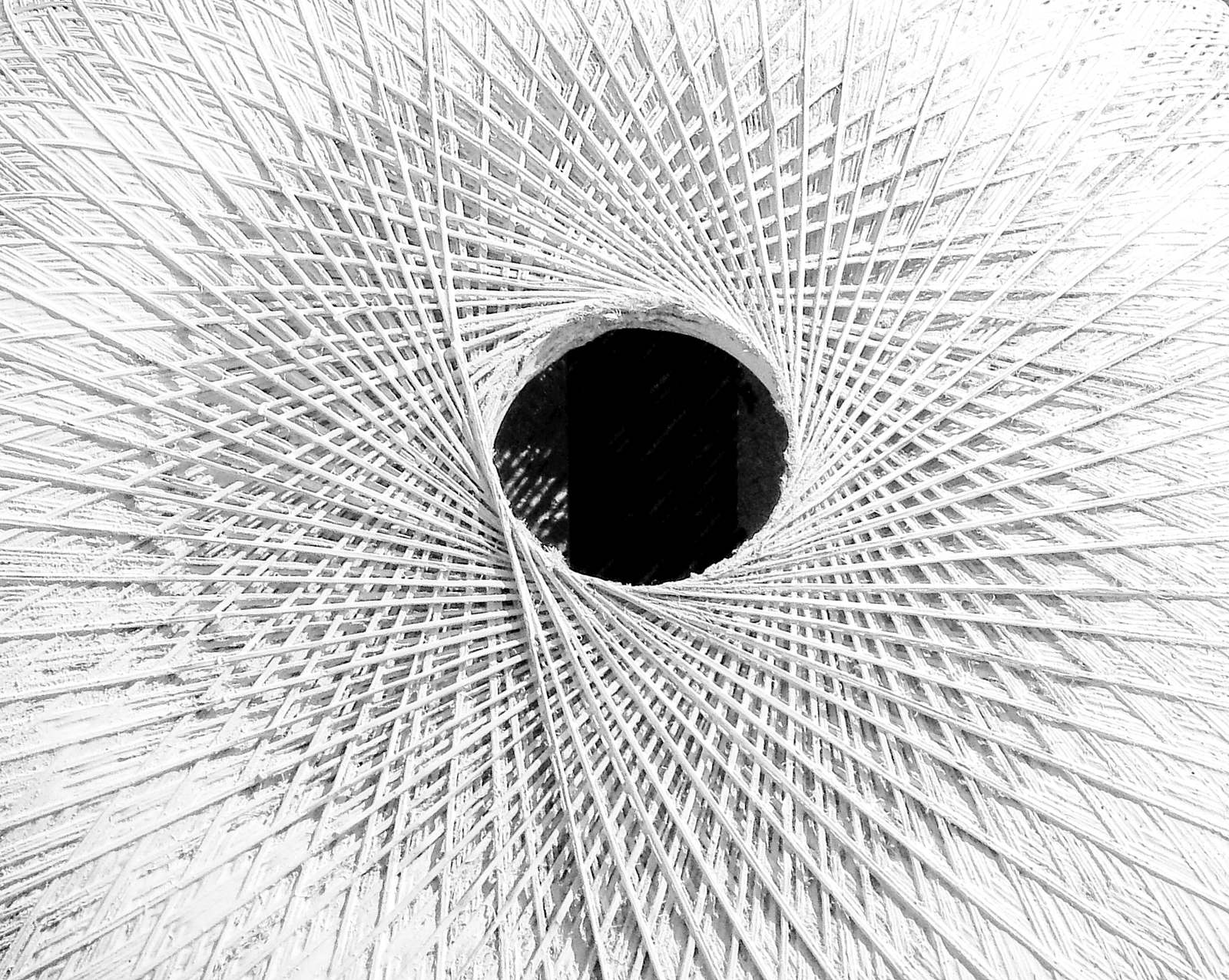
A person has not only perceptions but a will to perceive, not only a capacity to observe the world but a capacity to alter his or her observation of it—which, in the end, is the capacity to alter the world itself. Those people who recognize that imagination is reality’s master we call “sages,” and those who act upon it, we call “artists.”
Tom Robbins, Novelist
Recommended Practice
To find beauty in everyday, commonplace things—
SUNLIGHT
Pay attention in the mornings, to see where bright specular sunlight, not diffused by clouds, comes through your windows. Notice that it enhances textures and reflections and makes bright things like glassware sparkle. I prepare for this the night before by having my camera ready to pick up in the morning. I work fast, because the light changes quickly. The key here is to capture what the light is doing. Later, examining your images, you’ll see how the quality and intensity of the light makes most things beautiful.
PHOTOGRAPH AT NIGHT
The same thing applies here. In this instance, the light is artificial. Go where the light is the strongest—streetlights, store windows, car headlights. Let the light direct you to whatever it’s illuminating. And shoot the light source itself. Do time exposures of moving lights. Play!
GO IN CLOSE—AT HOME
Use a closeup lens to shoot textured items and geometric forms around the house, in the garage, basement, attic and yard. Especially, consider the places that are lit. Turn on lights during the day and shoot at night with all the lights one turned off but one. To emphasize texture even more, change the lightbulb in a lamp from frosted to clear, and remove the lampshade. I use a 200 watt clear bulb for this. You’ll be amazed at the difference it makes.
 Contemplative Photography