
What can we do in the face of unsettling change, eroding confidence and civility?
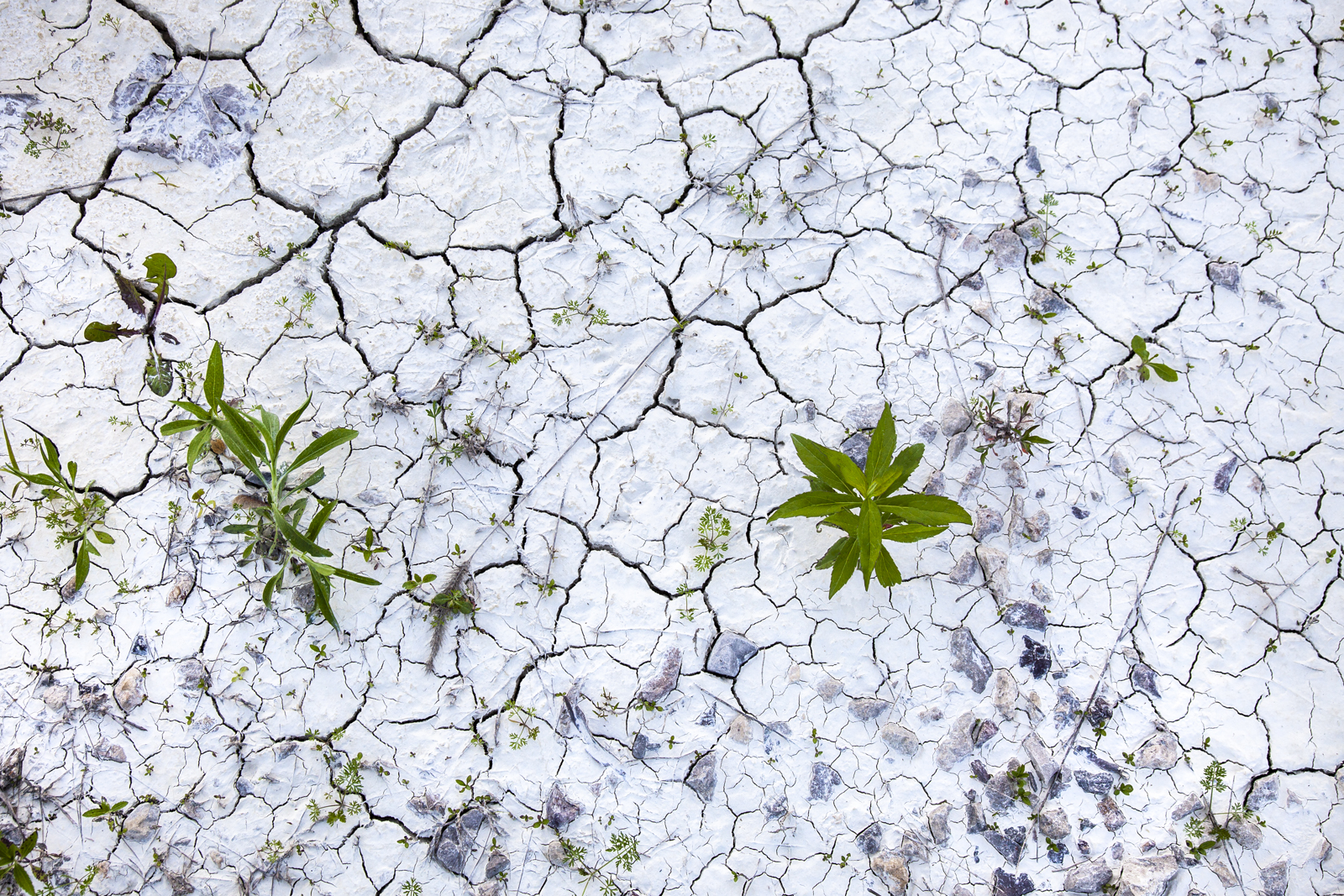
The world has tilted in the direction of uncertainty. Social, economic and cultural norms are shifting and many are being dismantled.[1] Droughts, tornados, fires and flooding are becoming more frequent and severe. Technologies are evolving faster than the wisdom to manage them responsibly. Politics has become more of a contest between adversaries than a process for securing citizen welfare and well-being. Screen-based communication is increasingly preferred and inserted into social situations, often at the cost of personal engagement.2 More than personal engagement, people are using electronic devices to communicate, and gossip dominates conversations.3 And Cable television and streaming platforms are emphasizing programs designed for comfort, fantasy and distraction reflecting a move away from broad, culturally unifying programming and toward personalized escapist content.4
Evolutionary Drivers
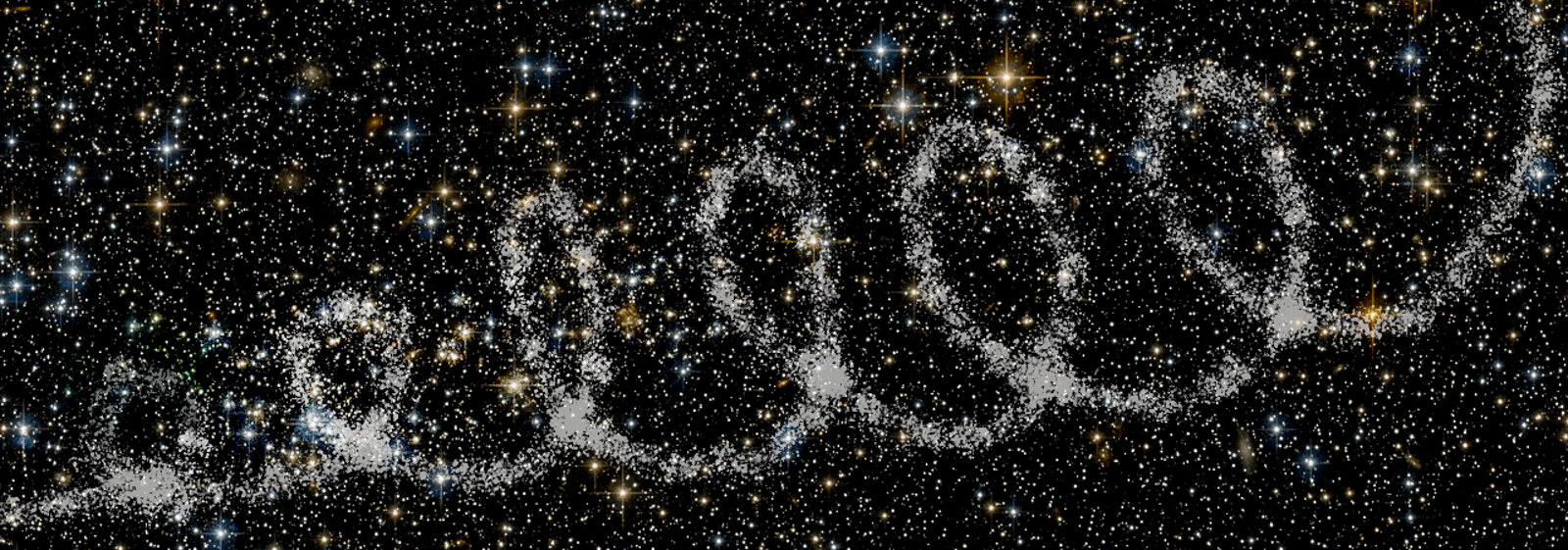
While we tend to think of these phenomena as “negative” or “problematic,” they can also be seen as “evolutionary drivers,” perturbations or systemic stresses that are the birthing pains of a more refined, coherent and unified humanity. The long picture—it appears that humanity is in the process of learning responsible human-planet management. By experiencing breakdowns and dysfunctions due to self-centeredness, on the next turn of the spiral we’ll come to understand that survival requires coherence, whole-centered consciousness and collaboration, particularly being in right-relationship with each other and the planet. By actually living the teachings of the founders of the world religions and fostering love of the planet, we can—and I believe will— achieve this.
Cause
The leaders of every great spiritual tradition tell us the same quiet truth, that the fundamental cause of separation, self-centeredness and dysfunction is ignorance of who we are, what we are, why we’re here and what’s possible if we were to unite. The Dalai Lama wrote that “Ignorance is the true enemy, not the other person. It is ignorance that imprisons us in the cycle of suffering.” Spiritual teacher Eckhart Tolle says, “The greatest illusion is the illusion of separateness. It is ignorance of who we truly are that gives rise to fear and conflict.” Philosopher Beatrice Bruteau considered that the root problem of humanity is not sin, “but ignorance of our real identity as participants in divine life.” And in a 2024 talk to students at a school in Northern Italy, Pope Francis warned: “Ignorance breeds fear, and fear breeds intolerance.”
What unites these voices is the understanding that our urge to control is born of fear and separateness. We imagine ourselves apart from God, apart from life, apart from one another. But in surrender, in trust, in letting go, we discover we were never separate at all. Control closes the hand; surrender opens it. And only the open hand can receive. The ideal model for this is life itself, which thrives on unpredictability.
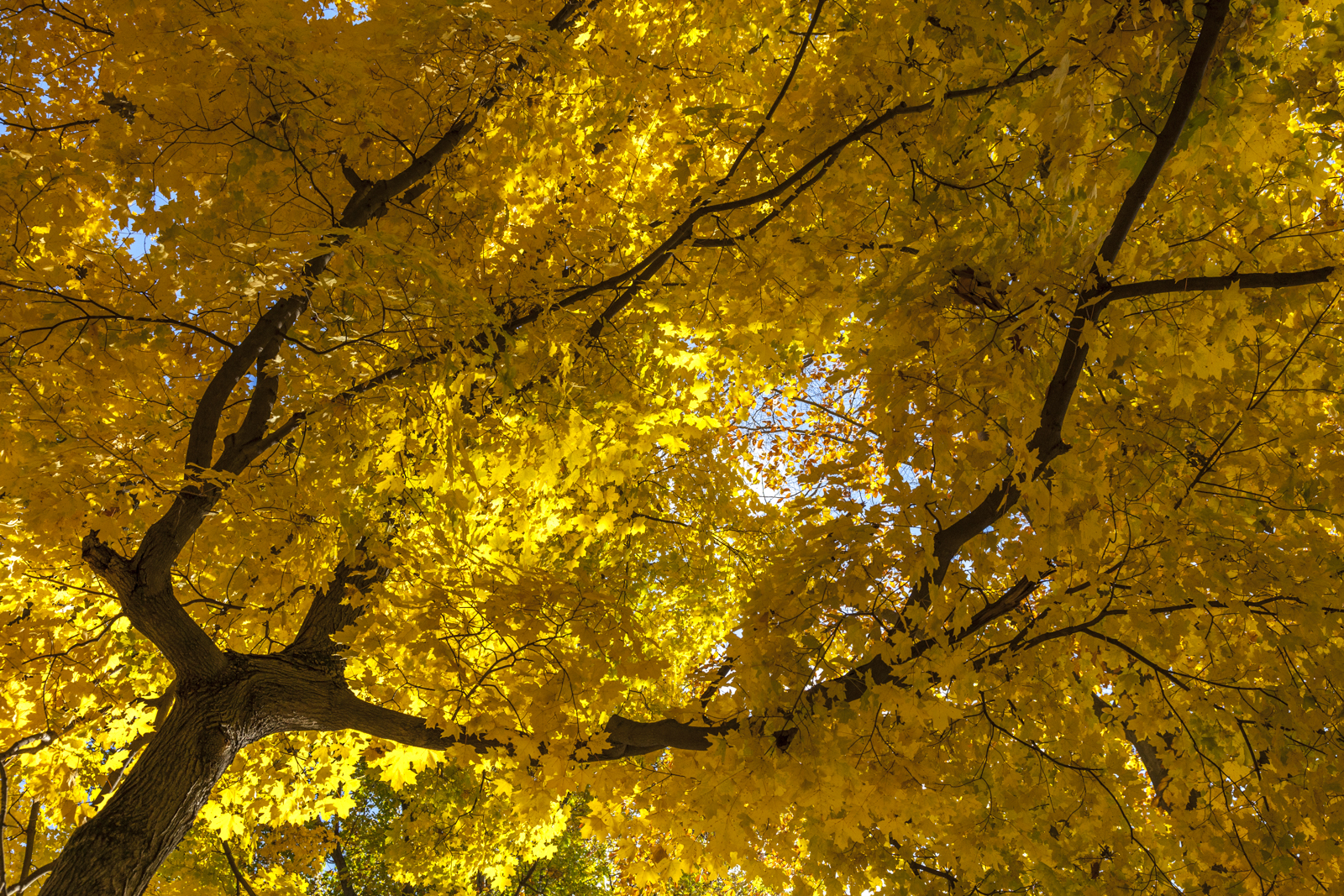
Trees unfurl their leaves without a plan or schedule.
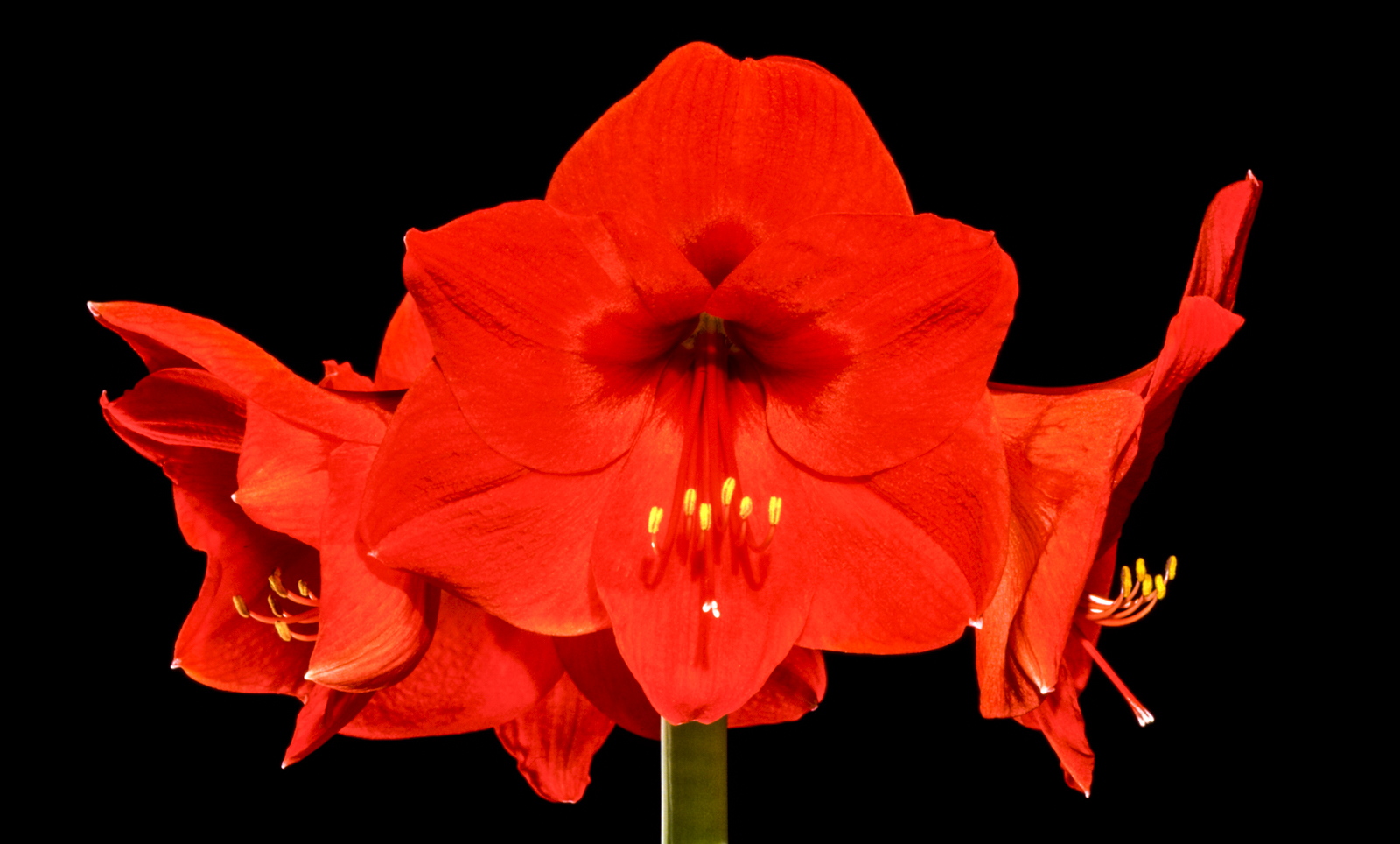
Flowers blossom without an algorithm.
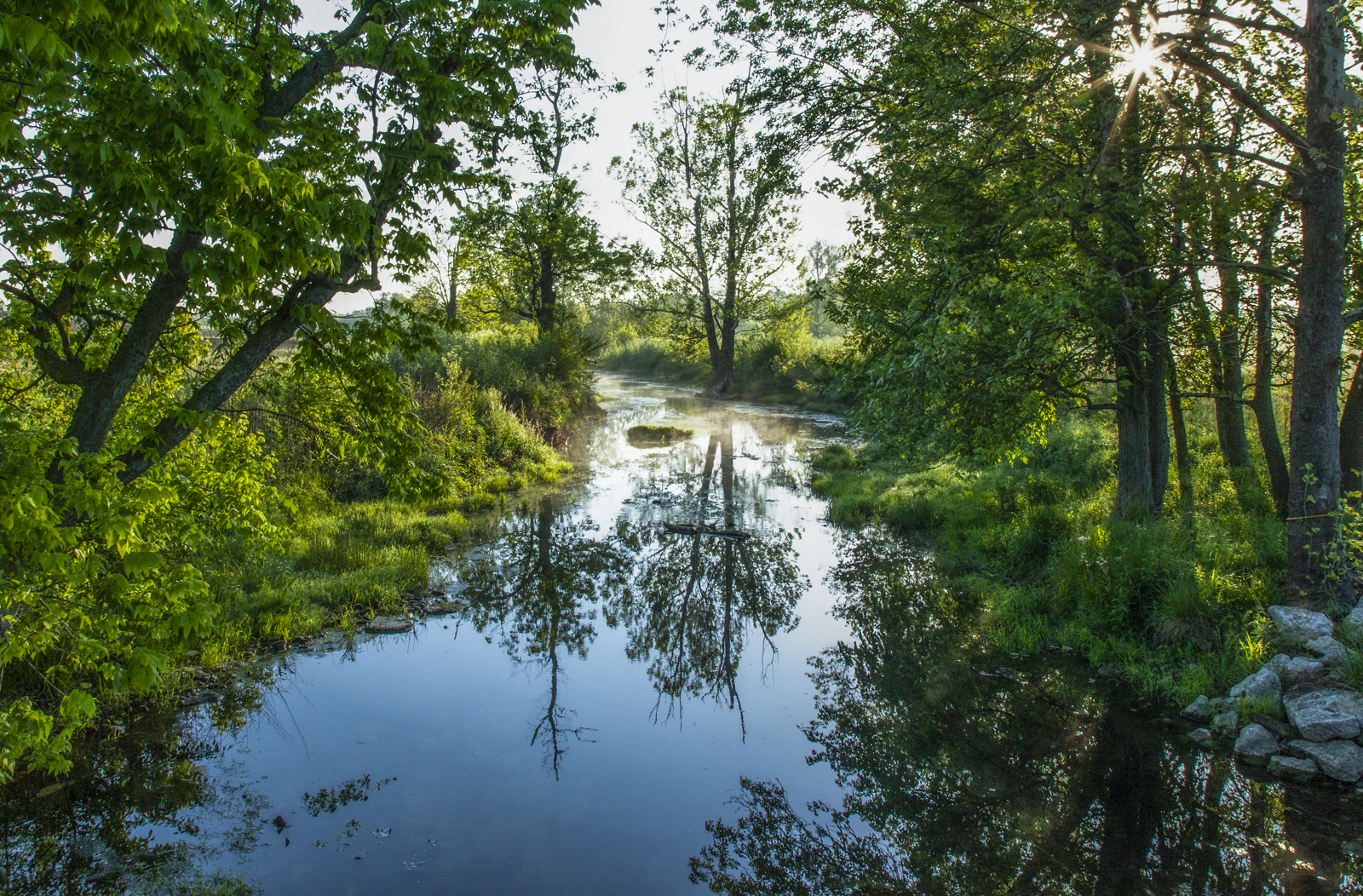
Rivers and streams wend their way and merge through the landscape without a map.
What Can We Do?
Considering the many and dramatic changes going on worldwide, concerned citizens are asking, “What can I do?” When asked, one of my simpler responses has been to “focus on what’s in front of us”—concentrate on work, better manage schedules, undergo a health discipline, spend time in nature, engage more with family and friends and think positively. This can help for a while, but pervasive media reports of breakdowns, disasters and previously unimaginable events in the media keep fueling uncertainty and helplessness, in some cases, depression and suicide.
Positive Visions
Must we learn the hard way? Many are suggesting otherwise, building on and contributing to visions of a positive future. Futurist Barbara Marx Hubbard envisioned humanity on the verge of a great evolutionary leap, “moving toward a planetary birth of a united humanity, capable of co-evolving with nature and co-creating with God.” Her hope resonated with priest-philosopher Teilhard de Chardin’s conviction that one day we’ll harness not just the forces of nature but “the energies of love,” discovering a new fire in the heart of humanity. Engineer-philosopher Buckminster Fuller echoed this same belief, urging us to become “architects of the future, not its victims.” And contemporary theologian Ilia Delio observed that creation itself is unfinished, that “God is doing new things, and we are invited to participate in the future that is rising up through us.”
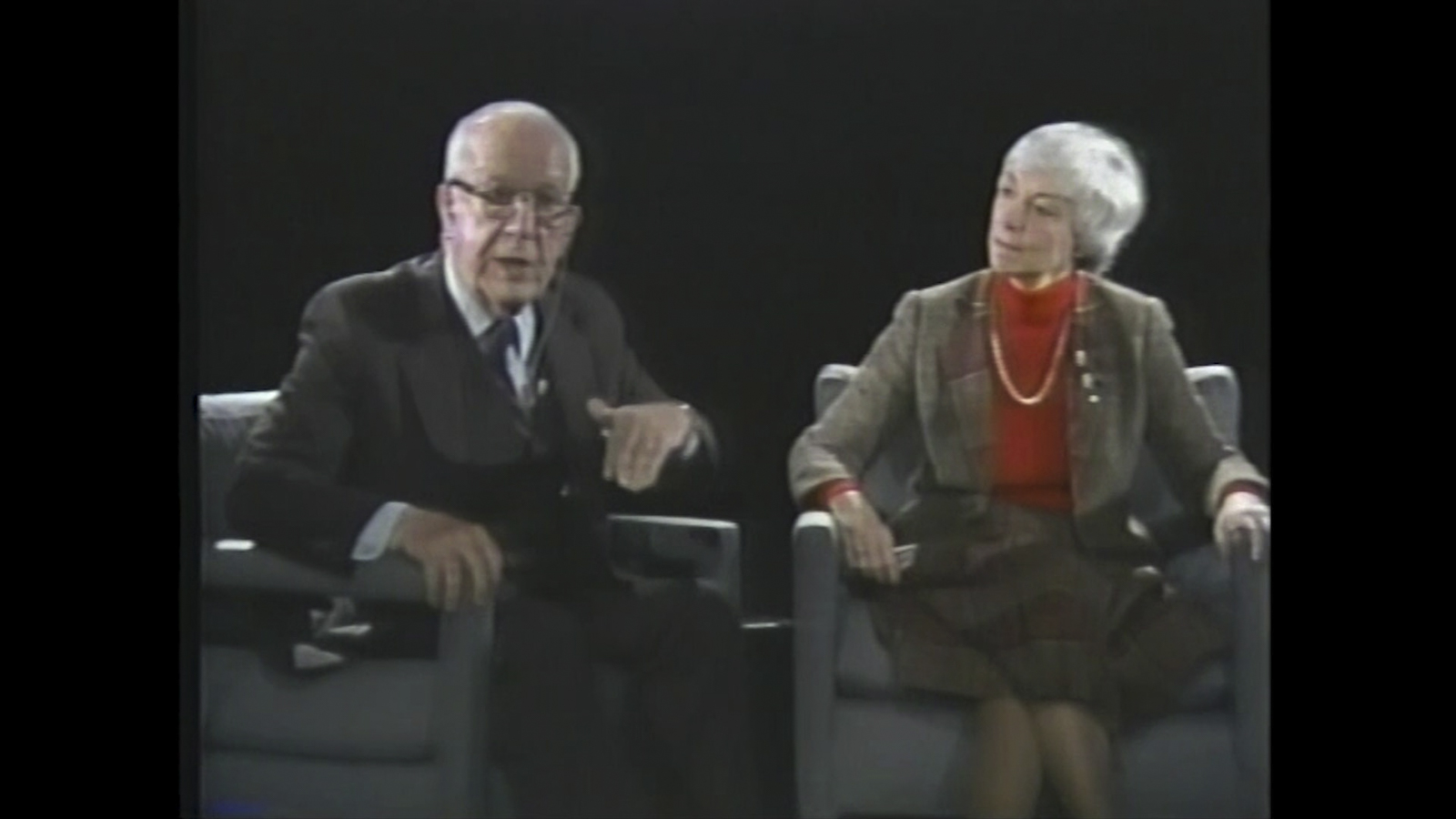
Buckminster Fuller and Barbara Marx Hubbard
In 1983 I produced a one-hour video: Our Spiritual Experience: A Conversation with Buckminster Fuller and Barbara Marx Hubbard in which they expressed their positive visions for humanity.
Uncertainty and Control
In the face of uncertainty the tendency is to exercise more control over our lives, to dream, plan, schedule, research and close ranks. Wisdom teachers say that’s an illusion, freedom from the stresses of confusion and uncertainty actually lie in letting go. For instance, Thomas Merton wrote, “We must relinquish our control over the deepest ground of our being and let God take possession of it.” He said the “false self” is constantly trying to achieve security through mastery of the situation, while the “true self” knows that security already rests in God. Our task is not to seize but to yield, not to hold or close but to open and allow.
The same perspective is echoed in the East. In the Tao Te Ching, Lao Tzu warns, “The world is sacred; it cannot be controlled. Whoever tries to control it ruins it.” Life is like a river. It cannot be dammed or forced without damage; to live in harmony with it is to move as the current moves—sometimes swiftly, sometimes in quiet eddies—trusting the flow more than the map. Chuang Tzu adds, “Flow with whatever may happen, and let your mind be free.” Beyond their choosing, clouds form, drift and then dissolve, shaped by the wind. And the Buddha taught that a mind gently steadied like a flame shielded from the wind, brings happiness, because it no longer grasps at what it cannot hold.
Seek Guidance From Within
Regarding what to do, I favor a simple comment made by Lebanese novelist Mikhail Naimy. In The Book of Mirdad, he wrote “When in doubt about the next step, stand still.” The implication is to get quiet and look within, because that’s where all life’s lessons reside. In an atmosphere of troubling change and uncertainty, our most appropriate and authentic response can be found by consulting the soul, the place in us that knows the deepest truth of who we are, why we’re here and what we need to experience and learn this time around—for our sake, and that of the greater whole.
This is not to suggest we do nothing to influence or affect change. Just that guidance or validation that come from the soul (whatever we choose to call the animating higher intelligence within) will be in concert with our pre-birth plan and purpose—rather than any emotional trigger or outside influence. Think about it: What would happen if we all did that? One other thing to do—easiest and quickest— is to express gratitude for everyone and everything we enjoy and appreciate.

We sense that we are living at the end of an era, and that something more beautiful is struggling to be born.
Charles Eisenstein, author and activist
__________________________________________________________________________________
[1] Bicchieri, C., Centola, D., & Gelfand, M. (2023). Social norm change: drivers and consequences. Philosophical Transactions of the Royal Society B: Biological Sciences, 378(1879).
2 CliffsNotes. “The Effect of Technology on Face-to-Face Communication.”
3 Dunbar, R (2004). “Gossip in evolutionary perspective”. Review of General Psychology. 8 (2): 100–110.
4 Media, Society, Culture and You. “The Relationship Between Television and Culture.” Boise State University Pressbooks.
______________________________________
My other sites include:
David L. Smith Photography Portfolio.com
Ancient Maya Cultural Traits.com: Weekly blog featuring the traits that made this civilization unique
Spiritual Visionaries.com: Access to 81 free videos on YouTube featuring thought leaders and events of the 1980s.
 Contemplative Photography