Chapter 11: Key
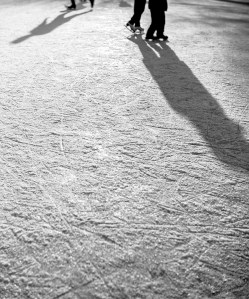
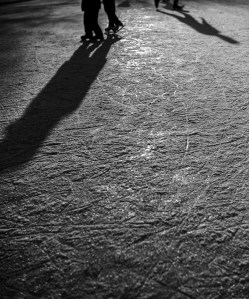
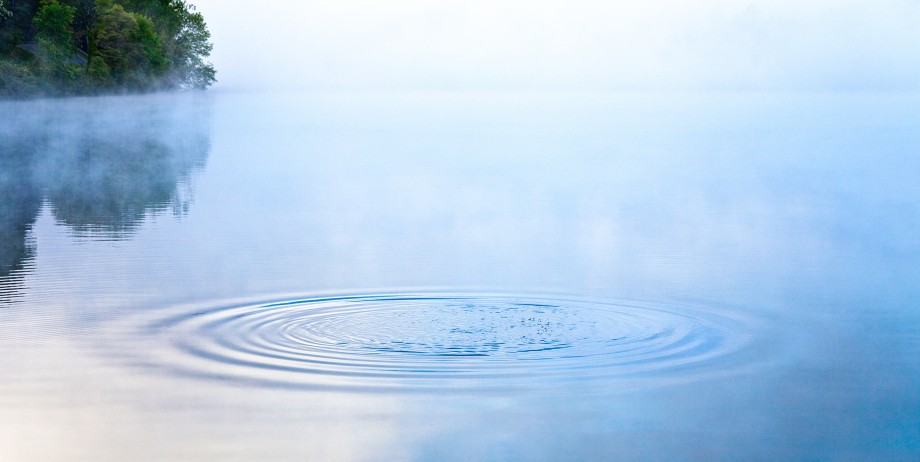
The terms “low key” and “high key” are often used in photography. They refer to photographs that are overall bright or dark. “High Key” images are predominately light or white, like a white cat sitting on a white sofa. “Low Key” is dark and somber, a black dog in a dark tunnel. These images stand out because the effect is rarely seen in nature or everyday living. For that reason they’re usually simple rather than complex, consisting of few elements.

Low key images tend to create eye-catching experiences because they tend to be moody and mysterious. Photographers have long understood that “there’s mystery in the shadows.” With fewer distracting elements we tend to delve deeper into the dark areas, searching for more information. The result is that low key images tend to hold our attention a little longer than those those characterized as “normal” in tonality. The style in appropriate when the communication objective or expressive intent is to create a sense of solitude, heaviness or mystery. However, low key is not good at providing information.
Australian photographer Bill Henson underexposes his color negatives with carefully positioned lights, then prints them even darker. And Yousuf Karsh, an Armenian-Canadian considered one of the greatest portrait photographers of the 20the century, was known for his black and white portraits of notable individuals. His aesthetic preference was low key lighting of people on dark backgrounds. It emphasized character in their faces, men and women alike.
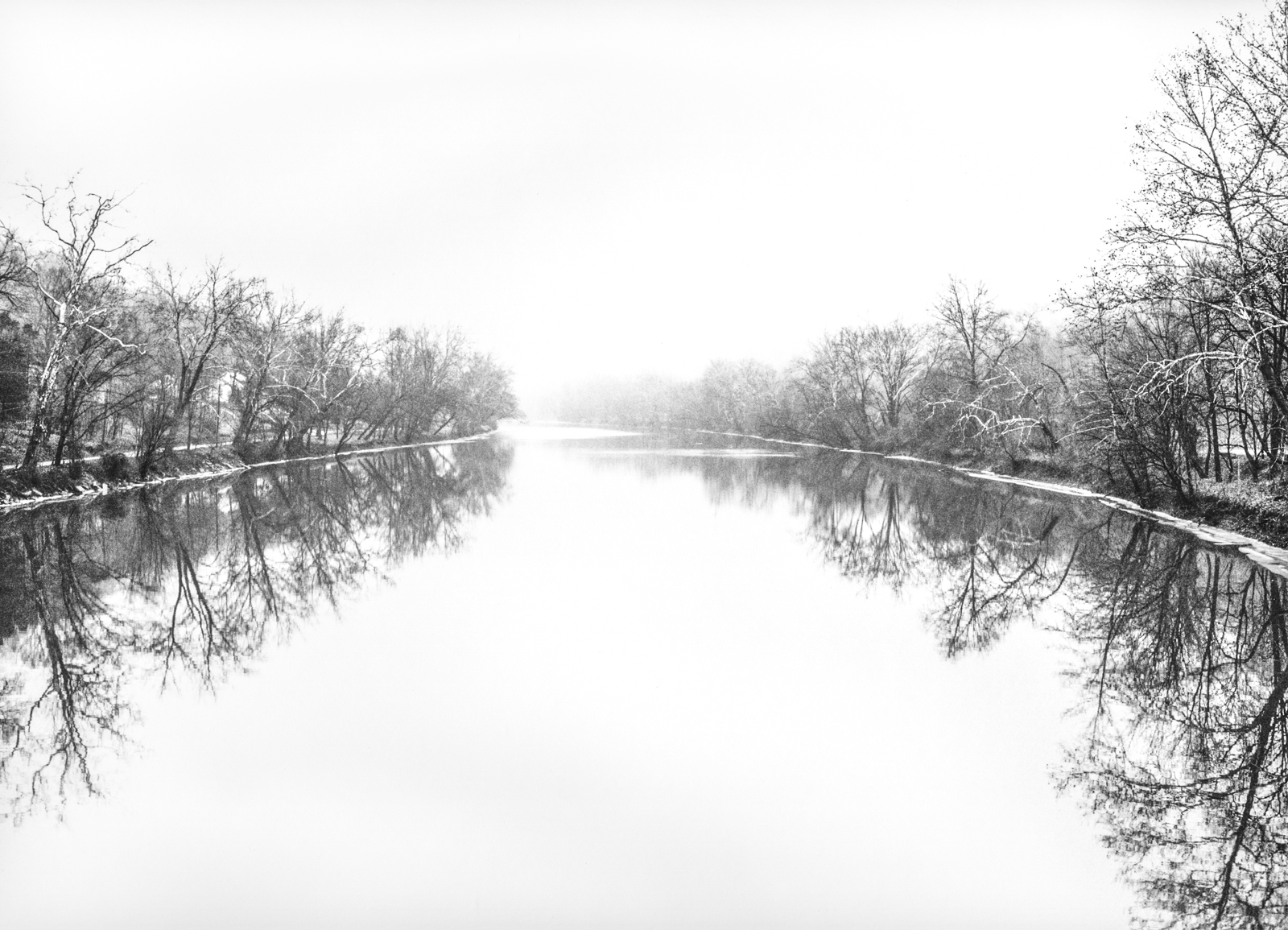
High key images consist of mostly light, often pure white tones. They tend to be bright with a minimum of shadows. The look is crisp, clean and uplifting. In the extreme, the style can be abrupt, even shocking to the eye. On the positive side, the brightness can create a sense of purity, softness (depending on the subject) and optimism. However, the immediate surprise can wear off quickly and three-dimensionality suffers. So high key images work well when the expressive intent is to shock or create a sense of optimism. As with low key, it’s not a good choice if the communication objective is to provide information.
Richard Avedon, master of black and white portrait and fashion photography often used all white backgrounds for his subjects so there would be no distracting elements. His intent was to capture an individual’s personality, so in his shooting sessions he would ask his subjects probing, sometimes uncomfortable psychological questions.
British photographer Michael Kenna often photographs landscapes in black and white. He accomplishes high key effects by photographing in snow and creating light gradations of blurred seascapes with time exposures. In “Recent Work,” click on “Biwa Lake Look Out” and “Hillside Fence, Study 9″—exquisite examples of high key.
TECHNIQUE

Lighting For Low Key
Low key images require a dark or black subject, similar toned backgrounds or a dark space with minimal lighting—generally a single diffused source. Keep the camera’s ISO around 100-400, with the aperture wide for narrow depth-of-field and underexpose the background by about 2-3 stops darker than the subject. Sometimes “feathering” the light off the subject (using just the edge of a light) keeps the tones low, especially on faces. In the editing software, you can always boost the black areas.
Lighting For High Key
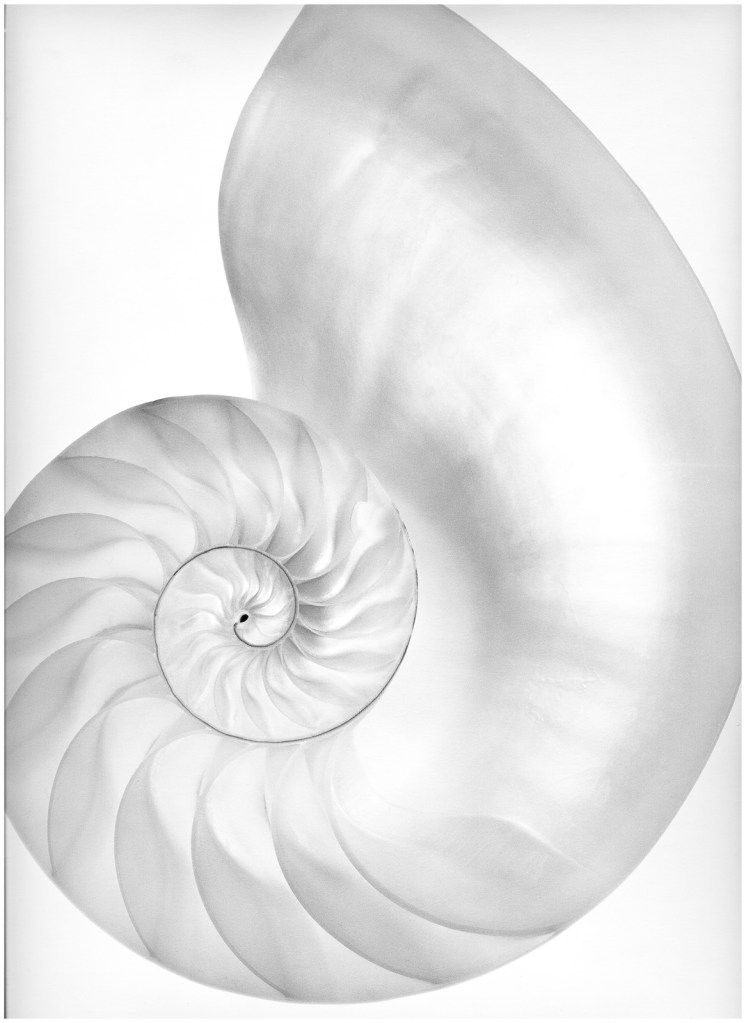
To produce a high key effect in a photograph, it’s not enough to have a white or light toned subject. It also needs to be situated on or within a predominantly white background that is or can be rendered at least as bright, ideally more so, than the subject. This accounts for high key photography being mostly done in a studio. The final component needed for high key photography is control of the exposure. A light meter or camera sensor will render a white vase sitting on white paper as gray. So the exposure has to be adjusted away from “normal,” in the direction of overexposure. This lightens the black and shadow areas. The largest part of this shell was dark, but the exposure shifted those tones to gray.
PERSONAL AND SOCIAL REFLECTION
The high key technique in photography contains some important parallels with respect to everyday living. Perhaps the simplest perspective was expressed in the song that the movie, Monty Python and the Holy Grail advised: “Always look on the bright side of life!” We characterize some people that way, “She brightens my day,” or on the contrary, “He brings me down.” In everyday living we experience light and dark personality expressions within ourselves and others. Both are equally valid experiences.

While this image boarders on low key, the man’s smile and bright personality was decidedly upbeat, high key. Linda and I were in Nassau, passing by, when he stuck his head out the door like this and made a friendly comment. It touched me, so I asked if I could take his picture.
The key for advancement in the University of Planet Earth is to favor environments and people that bring out the light that we all are. How and where do we find them? Increased illumination or lightening occurs wherever we experience the energies of love, resonance, empowerment, connection and joy. After an encounter with a person or group, we wonder to ourselves, “Did I resonate? Was I uplifted, encouraged or inspired? Am I feeling better about myself and the world? Or the opposite?” Low-key experiences can lead to disappointment, a lack of trust, anger, confusion or depression. Of course, there’s a full spectrum of environments and expressions between these extremes, and many the gray areas.
Individually and socially, with some resolve and mental discipline, we can move more in the direction of selecting positive, empowering and uplifting perceptions, behaviors and experiences—the psychological equivalent of white subject matter in photography. High key imagery often affects a shift toward heightened aesthetic appreciation by displaying a brighter than normal representation of a subject. Just so, a more positive—brighter—perception of others and the world can lift the spirit.
In life, frequent or prolonged exposure to the light of higher consciousness (more complex, abstract and inclusive thinking), increased awareness and spirituality is achieved either through grace or the choices we make—spiritual reading, self-inquiry, prayer, meditation and being with people whose light shines brightly. Through these and other uplifting experiences, the dark and gray values in life gradually become lifted into a higher tonal range.
In the midst of darkness, light persists
Mahatma Gandhi, Indian lawyer and political ethicist
____________________________________________________-
My other sites:
David L. Smith Photography Portfolio.com
Ancient Maya Cultural Traits.com: Weekly blog featuring the traits that made this civilization unique
Spiritual Visionaries.com: A library of 81 free videos on YouTube featuring visionaries and events of the 1980s.
 Contemplative Photography