Chapter 10: Gradation
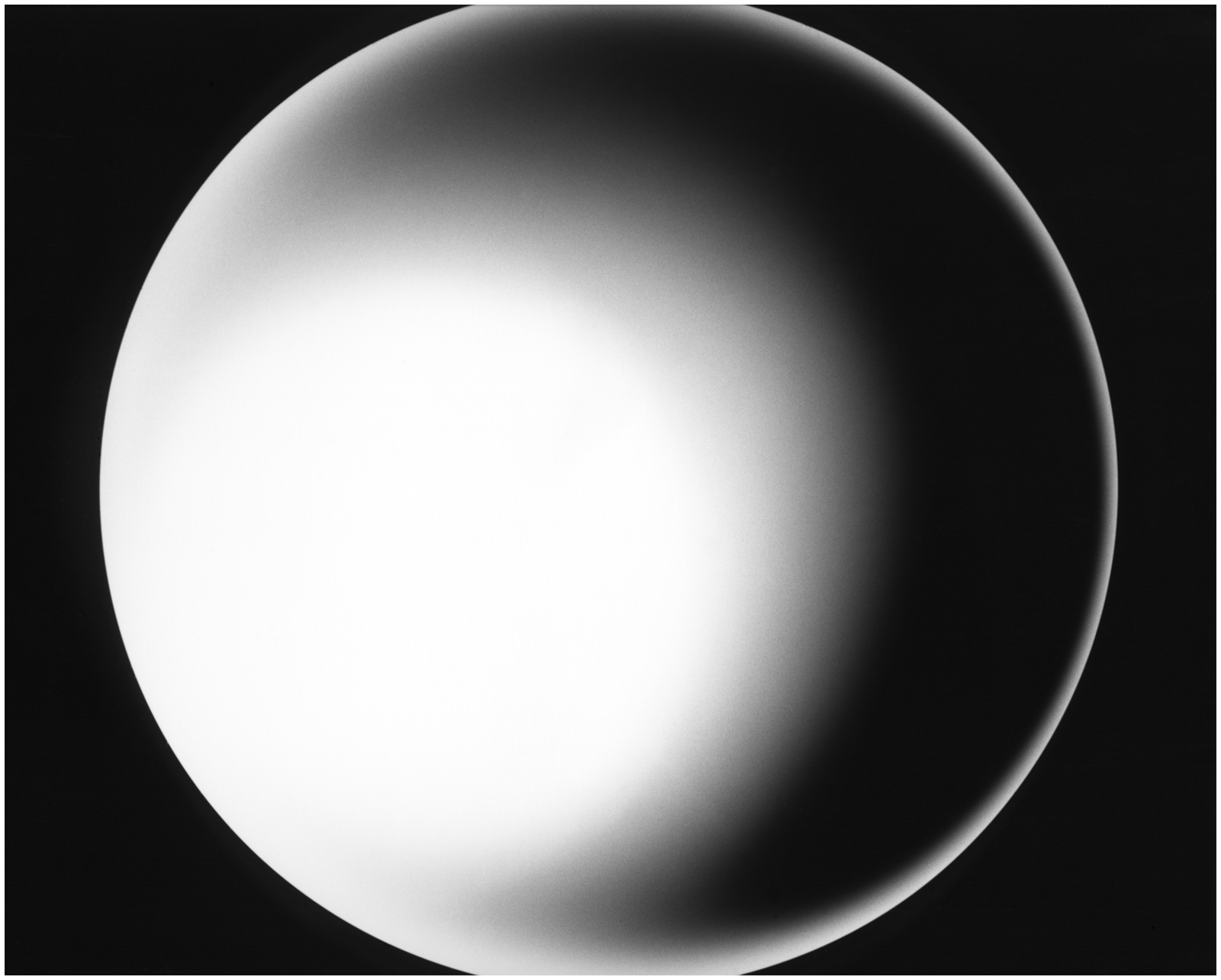
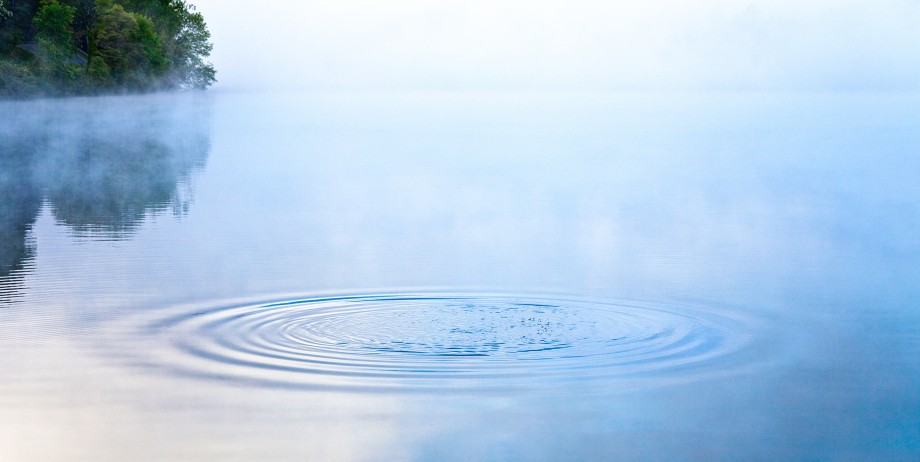
Aesthetically speaking, “gradation” refers to a gradual or graded change of tone over a surface. Artists refer to it as a grading of “values.” In color photography, gradation can be a transition from one hue to another or to a different level of saturation or brightness. In black and white, it’s the transition from light to dark or vice versa, or from one texture to another. The width or “spread” of the transition can be wide, narrow or in between.
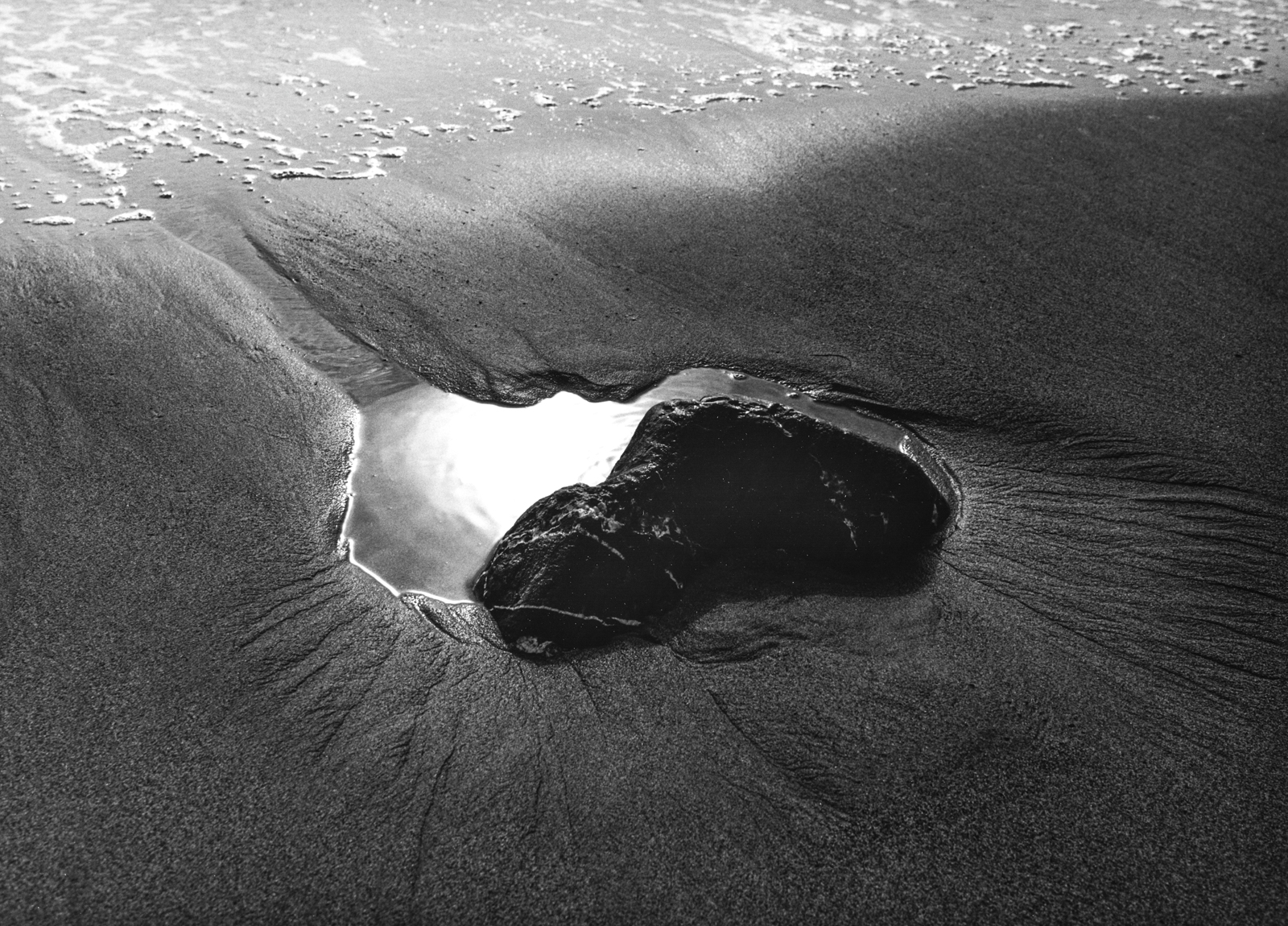
There can be multiple areas showing gradations within the same image. Here, there’s light to dark sand at the top of this image, black sand to lighter sand from the bottom up and the pure white of the sun reflecting in the pool of water where the grays of the sky waves ripple into full highlights.
APPLICATION

1939 Ford Coupe
Unlike “contrast” which consists of abrupt changes, stark difference between dark and light tones, gradation conveys a smooth and slower, more pensive experience for the eye. It feels soft and flowing, diffuse and delicate. In some instances it can feel ethereal or luminescent. It’s especially pleasing when it enhances the roundness of a subject or object. Gradation is often created in the studio when the communication objective is to express soft sensibilities and curvature. It’s one of my top five aesthetic preferences.
TECHNIQUE
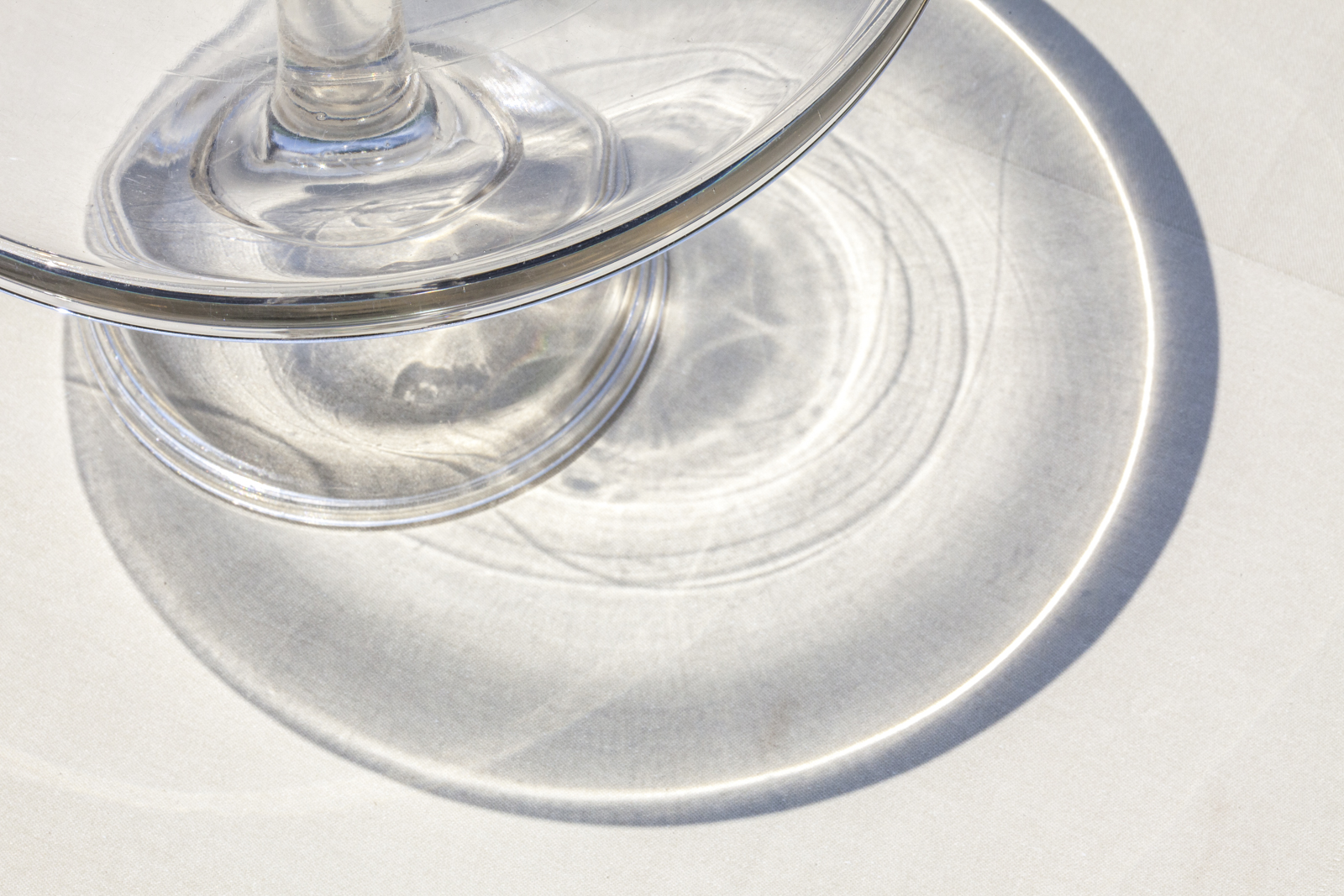
Outdoors in sunlight, gradation occurs naturally wherever there are curves, rounded or flat surfaces where the sun rakes across a subject from the side. The extent of grading varies according to the degree of the subject’s roundness, the camera’s angle relative to the brightest element in the frame and the position of the sun.
British photographer Michael Kenna often photographs in the mornings and evenings when the skies are just turning dark. To create further gradation, he makes very long exposures so clouds, water and reflections are blurred with graded edges. If the sky is too bright for a time exposure, he puts one or more “neutral density” (ND) filters in front of the lens. That way, exposures can be as long as several minutes.

Inside or in the studio, lighting for gradation is a matter of positioning the camera or the subject in relation to the light so the brightness falls off gradually. The light illuminating the white paper under the vase was “flagged off” to create another graded surface.
Minor White was teaching at RIT (Rochester Institute of Technology) when I was there. I didn’t take his course, but I watched him examine students’ work. He often wrote about “spirit” guiding his work. Many of his photographs demonstrate an attraction to gradation.
And Jonathan Knowles is an advertising photographer. Scroll through his meticulous images to see how he uses gradation in color.
To widen gradation, situate a light well above, below or to the side of a subject so the shadow side is left dark. To shorten it, add a bit of fill light in the shadow areas using a reflective surface, for instance a sheet of foam core or another light placed at a distance and “feathered” (using just the edge of a light) to control the amount of desirable detail in the shadows.
REFLECTIONS ON PERSONAL AND SOCIAL GRADATION
“Gradation” in art is easy, gradual and soft. In life, it equates with the personal quality of equanimity, responses to change that are gradual and graceful, calm and quiet as opposed to stark and abrupt. Graded experience doesn’t excite or shout. It relates to the way we approach things that take time and consideration—personal growth disciplines, new relationships, creative expressions, skill development, job searches and financial planning. Are we in a hurry? Not enough hours in a day? “Gotta get this done!” Peace of mind requires a relaxed mind, confidence that “It’ll work out when it’s supposed to.” A graded approach to life is more about allowing rather than controlling.
Allow the world to be as it is, and your mind will find peace.
Eckhart Tolle, German spiritual teacher, self-help author
Socially, gradation is more evolutionary than high contrast revolution. It’s more thoughtful and flowing. Less reactionary. We see it in dialogues rather than debates, questioning rather than pronouncing, inviting rather than excluding, listening rather than speaking and accepting rather than confronting.
Most important issues aren’t totally black and white; there are gray areas. Although we’re sometimes frustrated that positive change in the area of social development takes a long time, our faith in the future is grounded in the belief that eventually common sense, decency, intelligence, wisdom and truth will overcome ignorance, greed and anger. As in our personal lives, the challenge—and lesson—of social development is patience. Gradual change may take longer, but because it’s thought out and tested, it’s more likely to lead to a good result and sustain.
Every time we invest attention in an idea, a written word, a spectacle; every time we purchase a product; every time we act on a belief, the texture of the future is changed… The world in which our children and their children will live is built, minute by minute, through the choices we endorse with our psychic energy.
Mihaly Csikszentmihalyi, psychologist
_______________________________________________
My other sites:
David L. Smith Photography Portfolio.com
Ancient Maya Cultural Traits.com: Weekly blog featuring the traits that made this civilization unique
Spiritual Visionaries.com: A library of 81 free videos on YouTube featuring visionaries and events of the 1980s.
 Contemplative Photography