
Chapter 9: Geometry
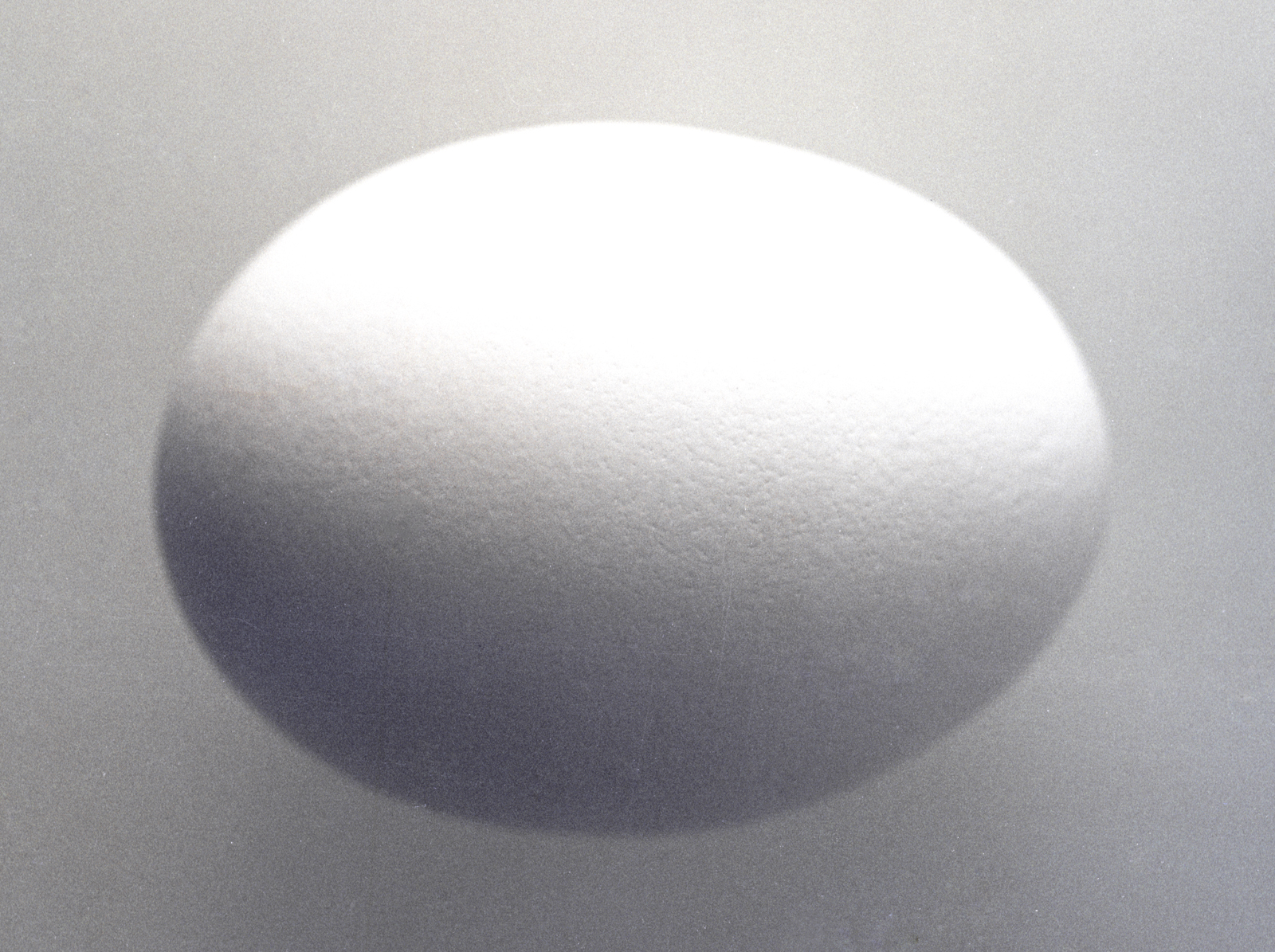
Artistically, form and geometry are interconnected but distinct creative dimensions with unique expressive roles. The previous chapter on “form” was about creating a three-dimensional sensibility on a two-dimensional substrate, usually an electronic screen or paper; the object was to create the sensibility of depth. “Geometry” in the context of creative expression, deals with precise shapes and structures including circles, ovals, squares, triangles and lines that convey a feeling of visual harmony and order. It’s one of my top five preferences because it “speaks” to the order inherent in Nature and the cosmos.
Geometry and numbers are sacred because they codify the hidden order behind creation.
Stephen Skinner, author, Sacred Geometry: Deciphering the Code

In the early two decades of the twentieth century, single-image “modernist” photographers moved away from the soft focus, painting-like quality of “pictorialism,” preferring sharp focus and clean lines with an emphasis on shape and form including viewpoints that better lenses made possible. This was the specialty of the 1930’s “Group f64” California photographers that included Ed Weston, Ruth Bernhard, and Paul Caponigro. Among others in that association, I selected these because they were particularly adept at lighting for gradation, another one of my preferences.
APPLICATION

If the purpose of an image is to inform or to communicate quickly, an emphasis on geometric shape is ideal because it immediately suggests the subject’s size and importance relative to its environment and other visual elements. Take a look at the work of Julius Shulman, a highly esteemed American architectural photographer, framed his stunning black and white images with a view camera, at times using infrared film to create a dark sky against the strong lines and contours of famous buildings. Some of today’s SLRs provide an infrared option.

On the other hand, if the purpose is to express a mood or feeling, an emphasis on geometry is again warranted, this time emphasizing simplicity to make the subject fascinating or unusual. That can be done using only one light, perhaps a bare bulb in a dark room; a mirror can be positioned to reflect sunlight coming through a window; penlights and flashlights are great for photographing small objects in the dark. Fan Ho, a master Chinese photographer, often set up his camera in spaces with strong geometric lines and then waited for the “right” moment to click the shutter. Master of street photography, Henri Cartier-Bresson, famously referred to it as “the decisive moment.”
TECHNIQUE

Artists want to perceive beyond looking. And they want to see what others take for granted. To accomplish this, they engage in a practice of not naming subjects and disregarding their function. Instead, they choose to see elements consisting of shapes, surfaces, textures and lines that display highlights, shadows and graded areas. Beauty lies in the combination and treatment (point of view and lighting) of these qualities.
Shapes that contribute to geometric expression include—
- Leading lines move the viewer’s eye within the frame
- Triangles create a sense of stability
- Diagonals contribute to motion
- Patterns attract through repetition
- Perspectives create a sense of depth
- Silhouettes make people look dramatic through backlighting
- Simplicity reduces the number of visual elements to geometric forms
- High Contrast lighting emphasizes lines and shapes
REFLECTION

The Merriam-Webster dictionary defines “geometry” as “the study of shapes,” specifying that they make things fit for a particular use or purpose. This is curious when applied personally because it raises the question, “Am I fit, in good enough shape, to accomplish what I’m here to be and do—physically, mentally, emotionally and spiritually? It’s a good question for contemplation, not only to gain some perspective but also to consider our fitness relative to the future. Geometric shapes exhibit stability and balance. Can we say the same of ourselves? Geometry deals with angles. What of our point of view? How do we see the world right now? It’s a critically important question, because we create and sustain what we see.

Socially, we can ask similar questions. What is the shape of the nation? Is the social body physically, mentally, emotionally and spiritually fit, resilient, ready to face the changes that are coming? Are we collectively able to create forms and systems that can respond appropriately to change? Are we prioritizing properly? Is the way we talk and act reflecting our true values? Are we thinking and planning ahead or spending our time and creative capital metaphorically “putting out fires?” Are we keeping our “eye on the ball,” not letting ourselves become distracted by the voices of negativity, sensationalism, conformity and hate? While these questions may be unanswerable beyond opinion or speculation, I think they deserves some thought.

Real learning does not come solely through assimilating knowledge; it involves coming to hold one’s conceptual frameworks sufficiently lightly to allow in experiences that don’t fit well with the existing frameworks.
Willis Harman, engineer, futurist, author associated with the human potential movement
 Contemplative Photography