Invitations
This is the final posting in The Soul of Photography series. Next week begins the follow-on practical series, The Aesthetic Dimensions in Art and Society, which for 13 weeks characterizes the many dimensions—abstraction, atmosphere, contrast, form, key, geometry and so on—with an emphasis on technique. The series is intended to increase one’s aesthetic awareness toward the development of a unique and artistic “eye.” While the focus is photography, the information and insights apply to all other visual artforms.
Also, I invite you to visit my Substack site, the platform I use to express my love of creation and the Creator, generally in poetic form.
Thank you for following Contemplative Photography!
Chapter 10: Authenticity and Style

We all see the world differently, the consequence of diverse family histories and influences, formal education, peer associations, work relationships, readings and life experiences. When we begin to see that a camera can be used, not only to “take pictures,” but also to “make photographs” that express our thoughts and feelings, the challenge is to learn how it works technically and aesthetically. The technical part is relatively easy—purchase a high-quality camera and experiment with the various functions described in the instruction manual. The development of our unique aesthetic sensibilities takes longer and requires sustained motivation, but it’s the foundation for expressive and contemplative approaches to photography.

A common first step in photography is to experiment with special effects. They’re fun and the results can be exciting. Then comes a period of looking at the works of established and well-known photographers, in part to emulate their works and also to be inspired by their stories.
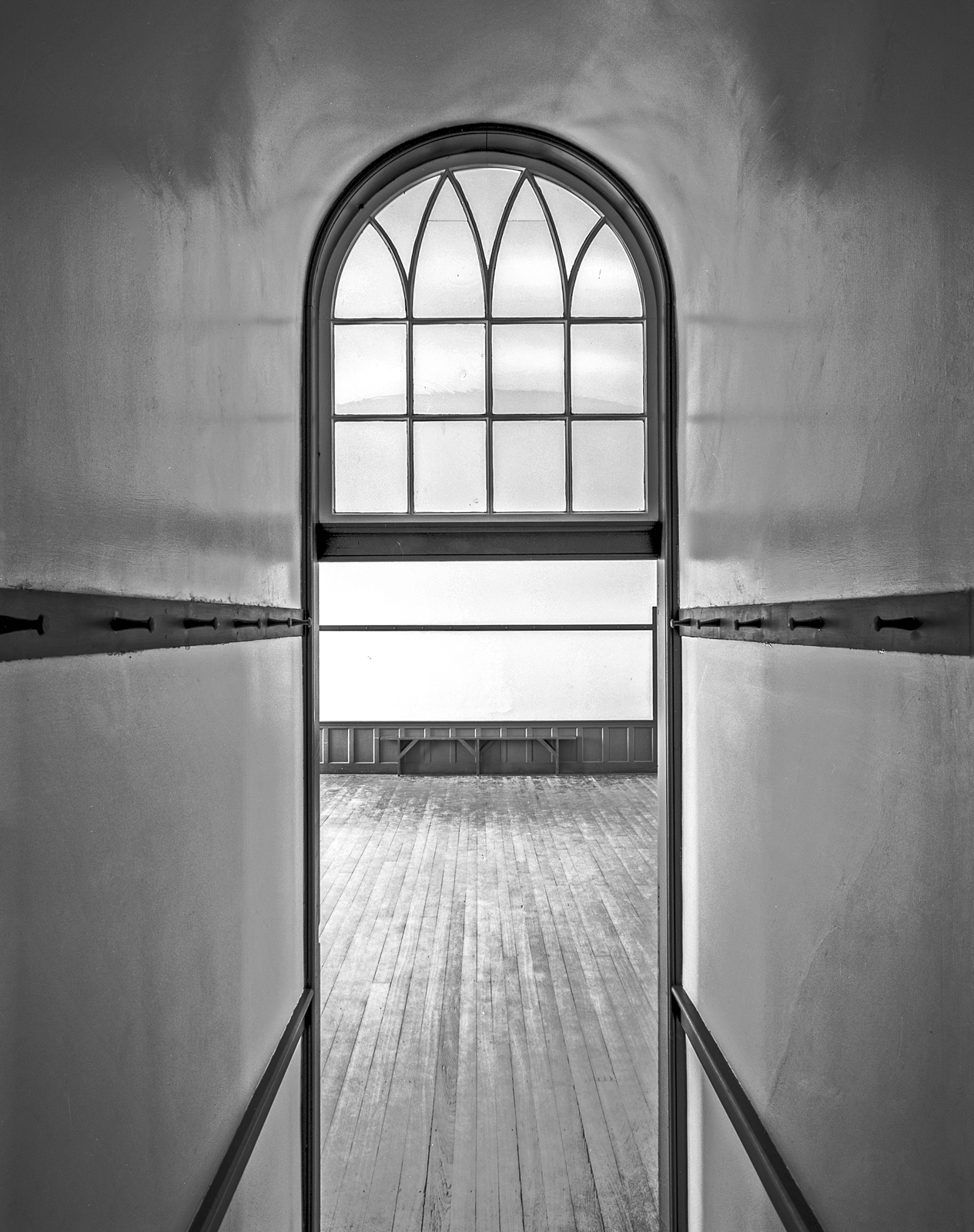
Wanting to learn more, we turn to various resources to understand how the great painters used composition, perspective and sacred geometry to hold and move the viewer’s attention within a frame. All this is part of the process of developing an aesthetic that works.

Being recognized, published or handsomely paid for photographs is one good reason for photographing. But there are many others. The approach described in this series is about using photography as a medium for personal growth and spiritual development. It’s a continuing process of self-discovery directed toward expanded perception, deeper understanding of self/Self and improved expressions of love and appreciation for what is.
The development of this kind of aesthetic begins with an understanding of our purpose in life—What am I here to be on this planet? What have I come to do? Why photography? What does it do for me? The following steps ensure that creative works are authentic, emanating from purpose.
STEP 1. The question of purpose is the most fundamental because every other substantial question in life should flow from it. The only way I know to address this and the other questions is by consulting the higher Self (soul) in meditation.
STEP 2. In a semi-meditative state, conduct a Gifts Inventory. Create a list of the gifts (talents, skills, understandings and capabilities) you were born with, and those you’ve developed up to the present. Prioritize these in order of importance to you.

STEP 3. Discover your unique set of aesthetic preferences by recognizing the prominent patterns in your work over time. I’m not referring to subject matter. These are the visceral “sensibilities,” the aesthetic dimensions that feed your soul. As such, they constitute your “style.” To clarify, her are some links to well-known photographers to illustrate their aesthetic preferences. To identify yours, subscribe now because next week begins a 13-week series—The Aesthetic Dimensions in Art and Society—designed to do just that.
Ansel Adams: sharpness, wide depth of field, high contract
Ed Weston: simplicity, form, geometry
Annie Leibovitz: ambient light, vivid color, painterly composition
Jeffrey Becom: color discordance, geometry, flat design
Imogen Cunningham: bold design, form, pattern, simplicity
My preferences include exquisite light, simplicity, gradation and geometry. I think it’s obvious in my images. Once the visual qualities that consistently feed your soul are understood, you’ll be able to look for locations, situations and subject matter that provide opportunities to exercise one or more of your preferences.

STEP 4. Look at your Gifts Inventory alongside your Aesthetic Preferences—as best you know them. Write down the most important items and examine them. It’s very likely you’ll see which of your gifts you can activate in order to maximize your joy and fulfillment in photographing.
STEP 5: Contemplation. Sit with a favorite photograph and delve into it. Ask what it reveals about the world, humanity, the culture and you. It could say a lot, so take notes. The insight you gain about yourself, and your preferences—technical and aesthetic—constitutes your “style.” It will make your work authentic and satisfying because it feeds your soul.
Authenticity, which in the arts means at the most profound level communion with another human soul, is something we are destined by evolution to want from literature, music, painting, and the other arts.
Denis Dutton, philosopher of art, media activist
The soul of photography lies in the urge to create images that reflect and reveal our true self and express the full range of human thought and emotion. Ultimately, the underlying trajectory and consequence of authentic creative expression is the evolution of human consciousness. Each of us makes a contribution to that by how we think and create.

By contemplating a beautiful work of sacred art, one may momentarily remember the silent center of mystery that is our very soul.
Alex Gray, artist
 Contemplative Photography