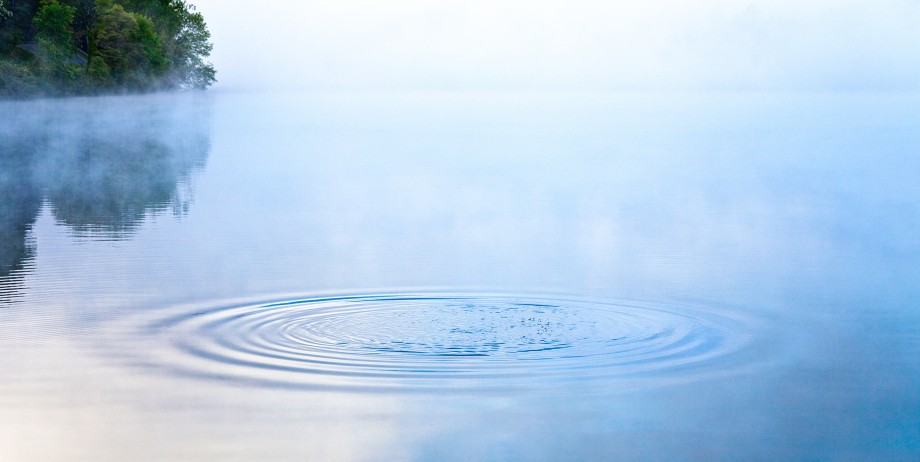
Chapter 5: Particularity

My wife and I occasionally visit antique stores and fairs. I walk up and down the many rows of vendors, looking for objects that might attract me, especially a quality of light and one or more of my aesthetic preferences. In the above image I found three of them—exquisite light, simplicity and gradation. And the subject “spoke” eloquently of women’s vintage apparel, making the finished print an excellent prospect for contemplation.
After many visits, I noticed a pattern in the places where I was more likely to find something to photograph. These were the booths that were less cluttered. The objects on display were separated by some space; the more the better. When the items were all clumped together on a table or in a display, nothing seemed important. Visually, the experience was chaos, and it reflected the vendor’s consciousness, suggesting that they cared little about their offerings.
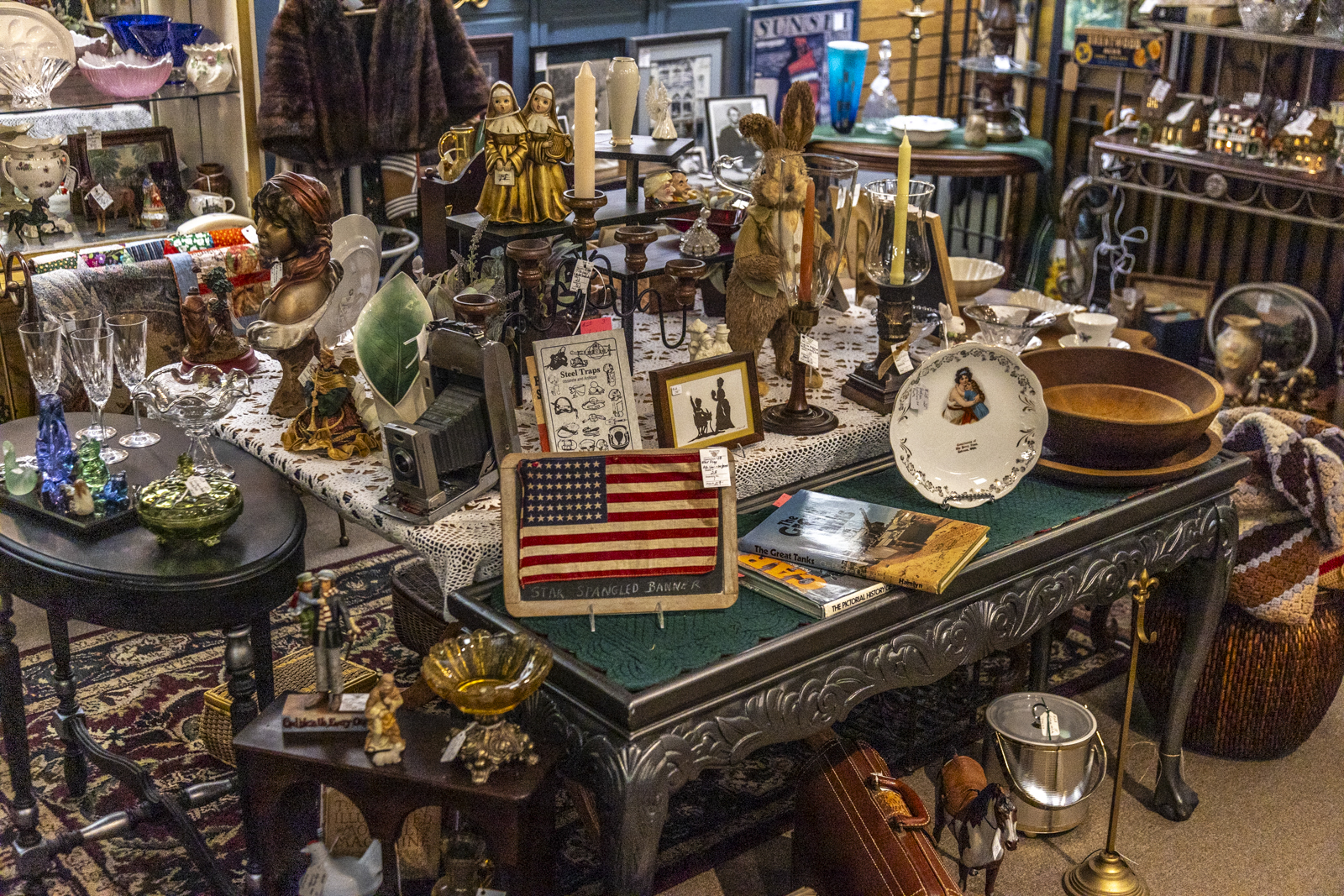
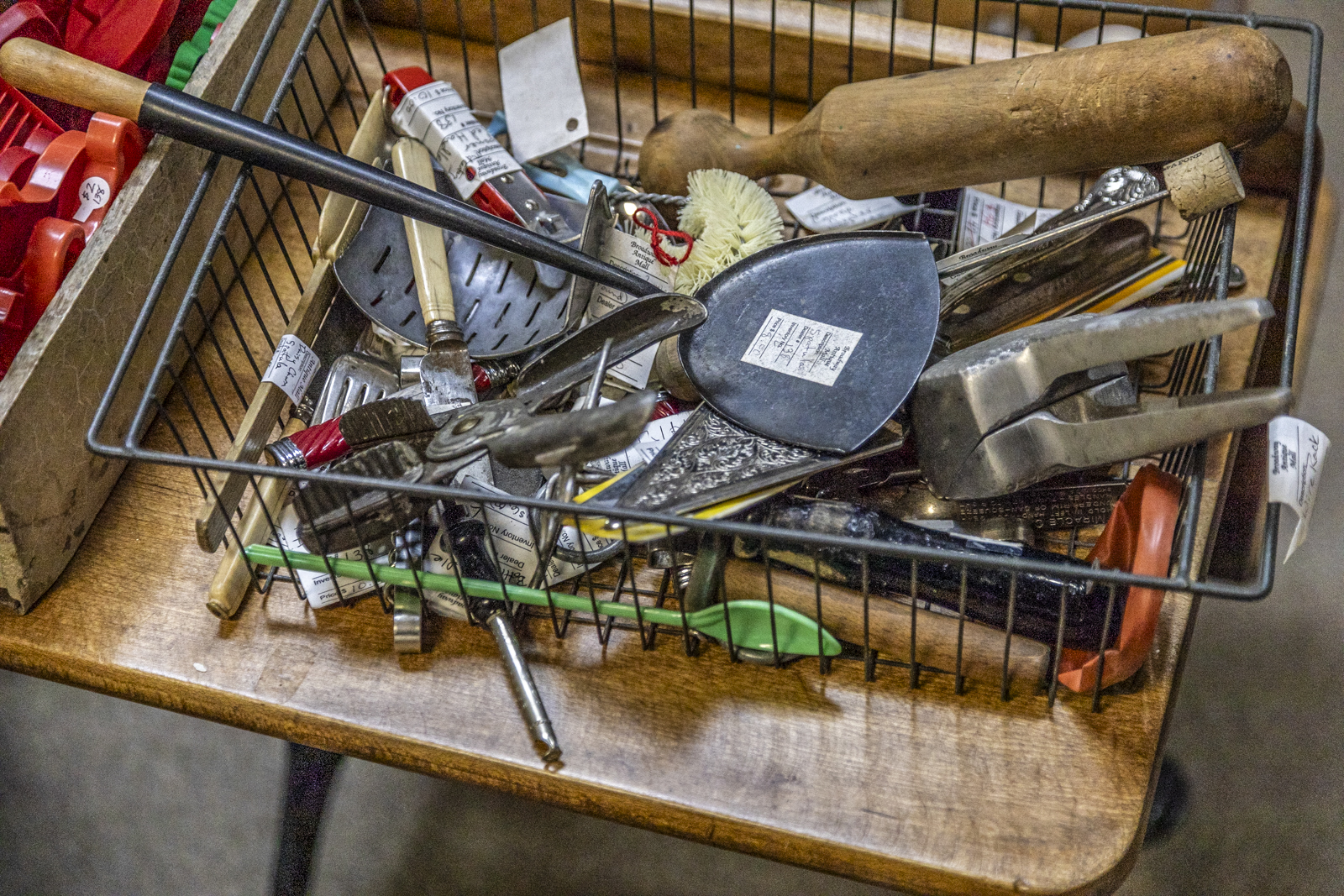
When one object was singled out for display, isolated, my eye went right to it. If someone doesn’t care enough about their goods, it’s not likely that I will either. Conversely, when I see an object separated and displayed on a clean surface or cloth where the sunlight enhances its form, color or texture I’m drawn to it.


Our minds are visually impatient. When presented with a rose bush we look from one blossom to another. When we’ve seen the ones that stand out we move on. Whether it’s cars, food, furniture, seashells or paintings in a museum we scan, want to see as much as possible. That’s natural and appropriate. But by taking it all in—the wide view—we can miss the deeper experience that comes from focusing on just one thing and staying with it for a time. I’m reminded that the greatest compliment we can pay an artist is spending more time with his or her creation.
Novelists use the word “particularity” to describe a character, setting or situation to make them special. High value. Take this description of a movie scene: “Sam pounded the bar, insulted the bartender and threw a beer bottle on the floor.” We get the idea, but particularity makes it sparkle: “Sam’s eyes lit with rage. He pounded his hairy fist on the bar and grabbed his Budweiser by the throat. Cursing, he hurled it the floor where thick shards of glass, beer and foam scattered the peanut shells.” In writer-speak, particularity amounts to “showing” rather than “telling” what happened. Since “God is in the details,” wherever there’s a multiple of anything, appreciation is heightened by going in close. Vintage car enthusiasts don’t buy a “Corvette.” They buy a 1962 Roman Red Corvette with a 3-speed synchro-mesh transmission.

Particularity is a well-known strategy among jewelers. Diamond rings and necklaces surrounded by greater space suggests greater value. (And the overhead specular lights make everything sparkle). That’s why museums and galleries give as much space as possible to their important holdings. Artists choose a wide cover mat within a frame to surround their artwork with blank space. Bloggers know the value of including lots of white space on a page or electronic screen. And filmmakers hold on a wide or “establishing” shot, so viewers have time to examine and appreciate the elements within the frame before going to closeup. The message of space surrounding an item or image is clear: “This is worthy of your undivided and sustained attention.” Expressive photographs “say” just one thing. The shell in this image is very common. Ordinary. But when it’s displayed alone within a framing element and lit to enhance its features, it becomes expressive.

Out in nature, we tend to scan the whole before identifying the particulars. On not. Landscape photographers want to stay wide. When our interest is more on the particulars, we move quickly from wide to closeup. It’s a “deductive” approach.

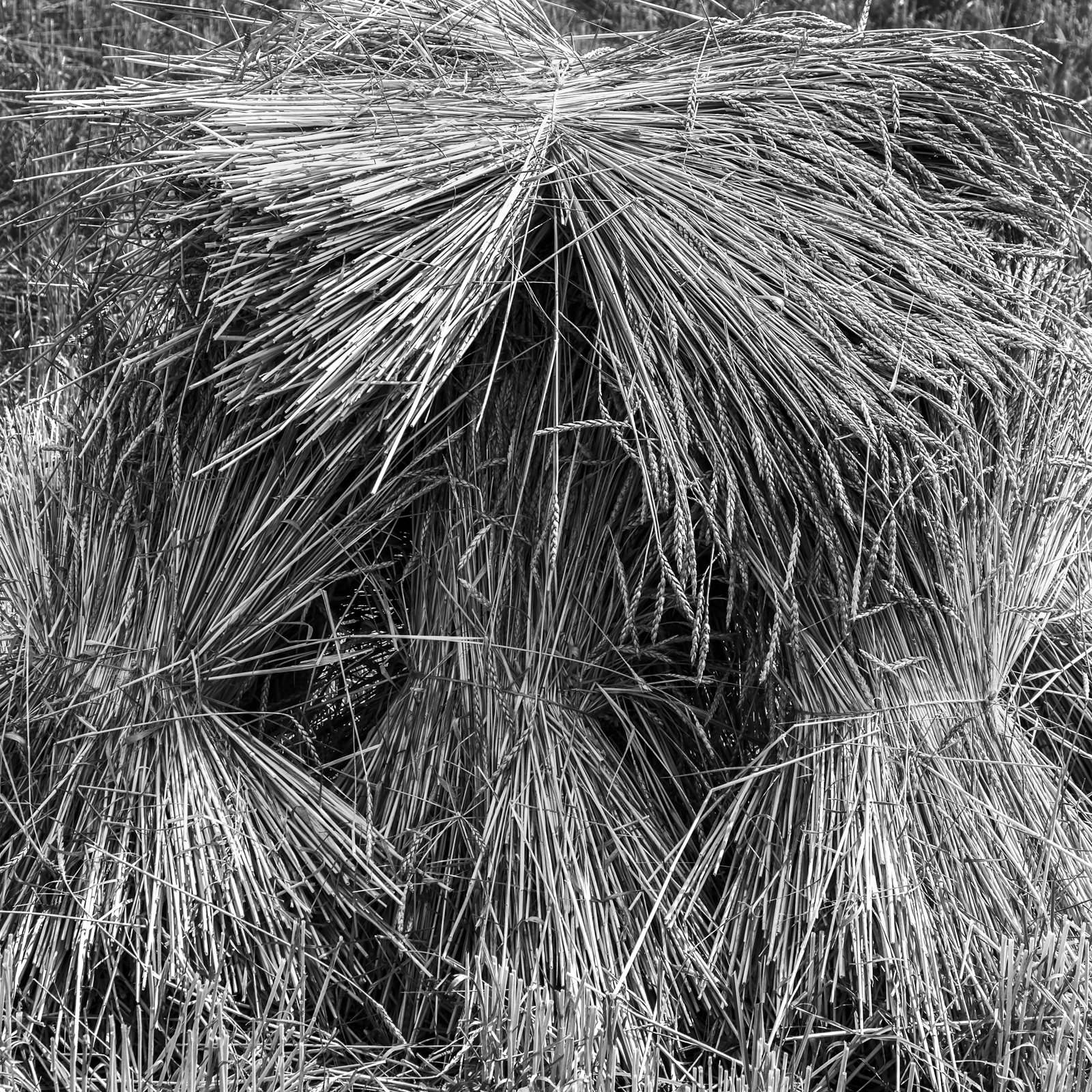
The “inductive” approach to photographing begins with attention to a particular subject, before—if at all—showing the wide perspective. The wide shot suggests a line of elements, suggesting perhaps a religious procession. Because there are more visual elements, it contains more information. The closeup, with fewer elements displaying textured detail, has greater impact. The field evoked a “Wow” in me, so I stopped and set up the 4×5 view camera on a tripod. My head was under a focusing cloth, when an Amish man stopped his horse and buggy and approached. “Do you like those shocks?” he asked. I said I did, and we talked a bit. Then he said, “There are other and quicker ways to dry the wheat, but we do it this way because it’s beautiful.” I love the image of that field and cherish the memory of what he said. The photograph of the single shock evoked a “Wow” in me when I saw it come to life in the developing tray. It spoke to me of “shockness,” the essence—spirit—shared by all such bundles of wheat everywhere. There’s no right or wrong, better or worse approach. There’s a lesson from system’s science in this—the more visual elements there are within a frame, the greater its complexity and the information, the fewer the elements, the simpler the image and the greater its impact. Approaching any subject, consider your objective—information or impact?
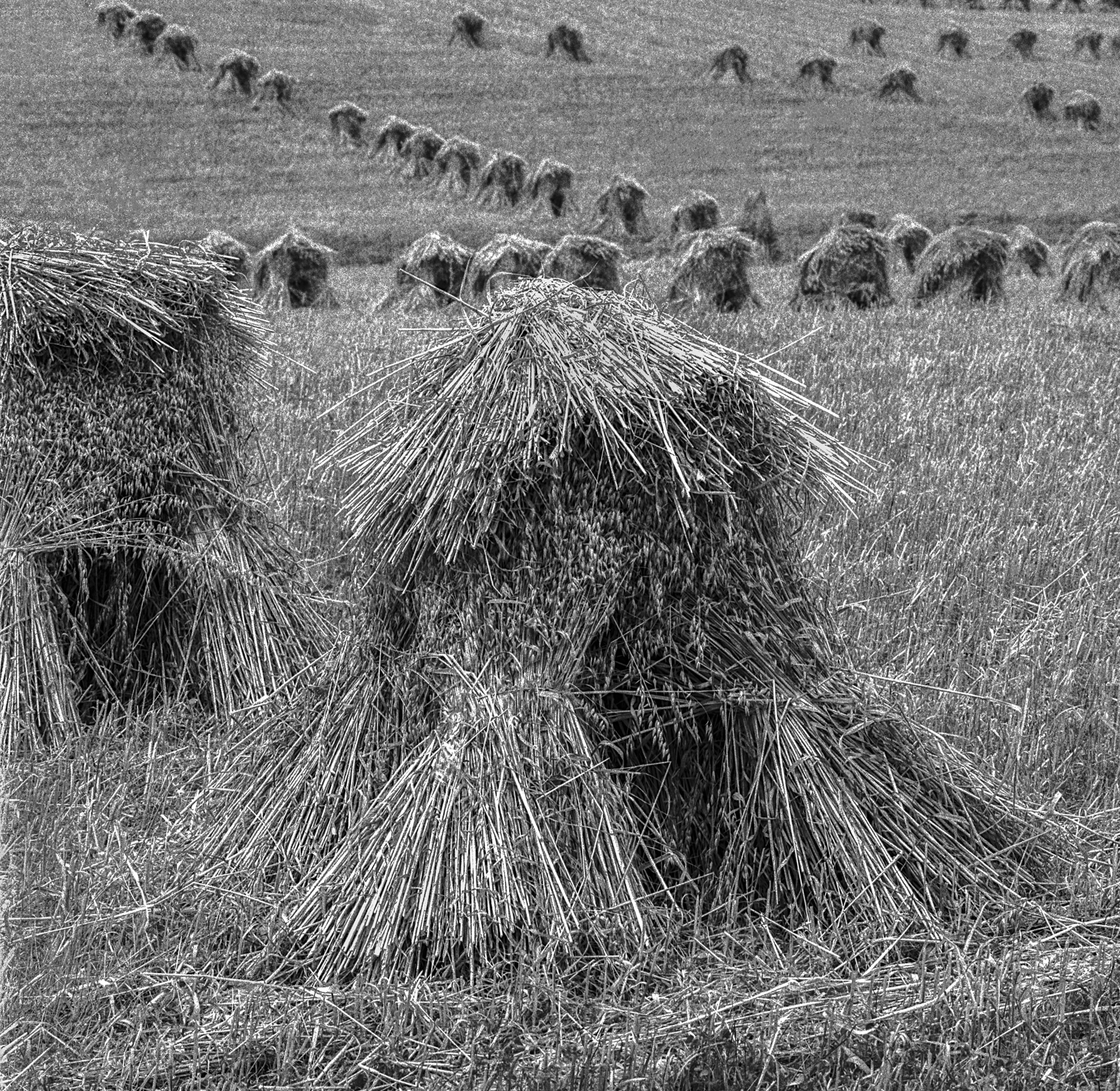
Of course, we can frame things to incorporate information and still have impact, as in this image where a particular shock is sharp and the background slightly out of focus. What do you think? Does that diffuse either of those qualities?
In environments where there’s a lot to see, the mind moves on once it has recognized something and named it. That’s everyday experience. But the soul is better served by not naming potential subjects, instead seeing them as particular forms having dimension, texture and color. When out with a camera, I quickly move away from areas where there’s visual “noise”—complexity or chaos—and gravitate toward places where there’s evidence of simplicity, order and caring. Especially, because light itself is my preferred subject matter and I prefer visual impact over information, I look for situations where light is illuminating, literally and figuratively, a particular object. That’s where I’m likely to find something worth photographing.

Always to see the general in the particular is the very foundation of genius.
Arthur Schopenhauer, German philosopher
Recommended Practice
Take your camera out in the country, away from the city. Find a wide open vista, perhaps with a barn, a wandering stream or cultivated rows.
DEDUCTIVE APPROACH
Establish a wide shot and then move in to closeups, the particulars, by framing only the essential elements necessary for identification.
INDUCTIVE APPROACH
At another wide open location, shoot closeups, framing only the essential elements as in the deductive approach. Then set up for wide shots at different angles.
AT HOME
Select the best of everything you shot and evaluate. Which approach worked best for you? Which appeals most to you, the wide shots or the closeups? Which does a better job of expressing your feeling about these places? Or do they work together? If you were going to arrange an exhibit, how would you sequence them?
 Contemplative Photography