
The safety of system’s syntropy against the forces of entropy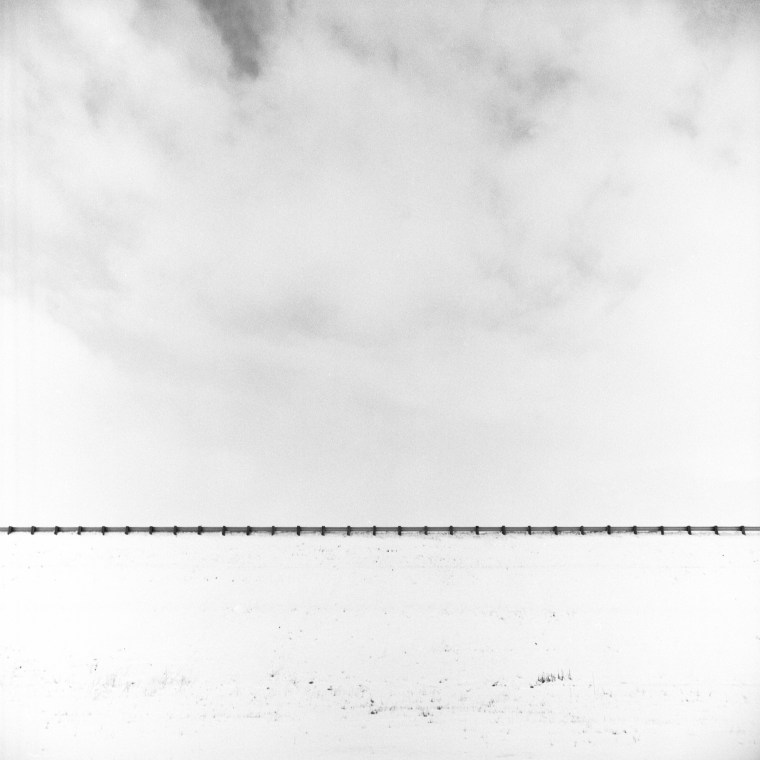
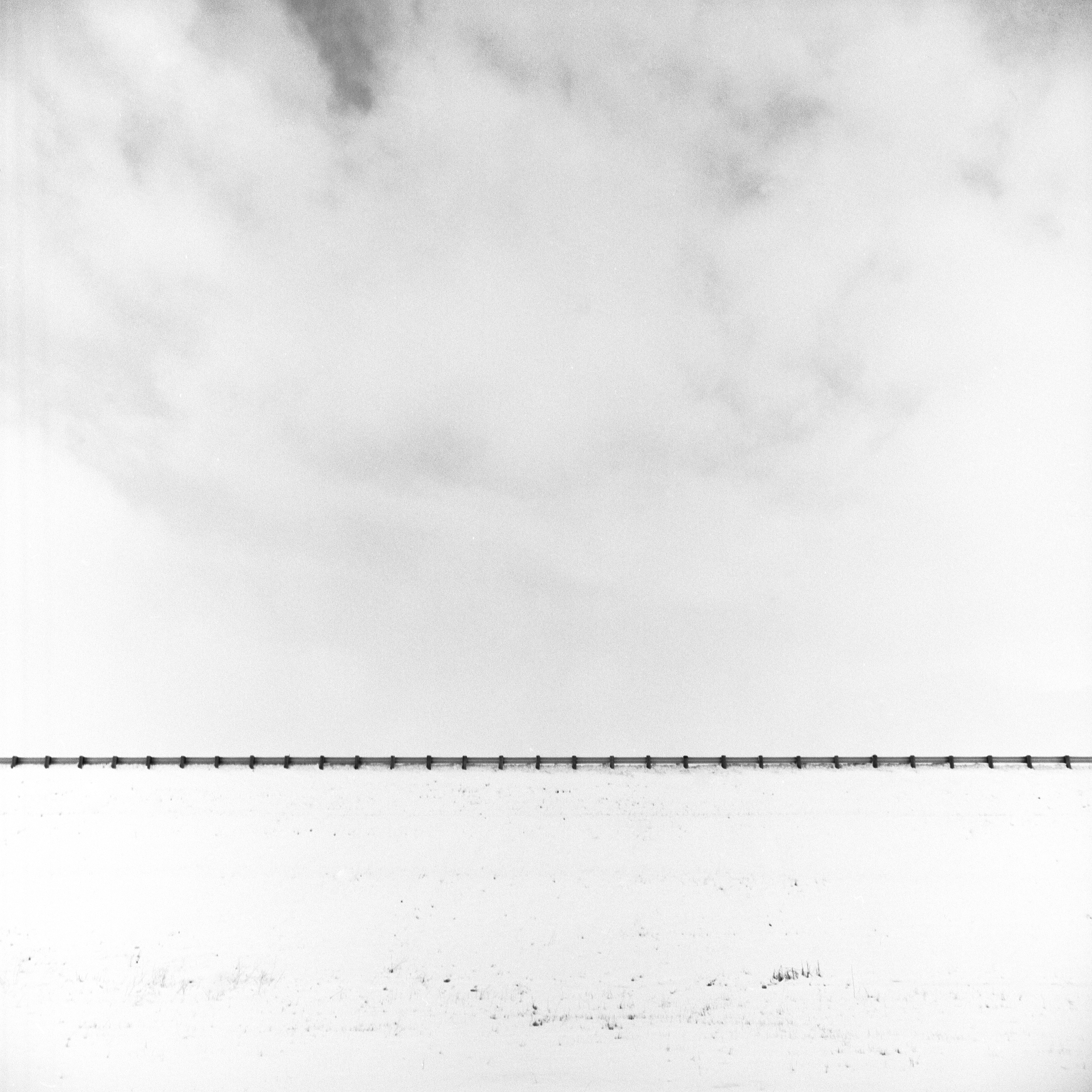
Obviously, guard rails are intended to keep vehicles from running off the road and to reduce the severity of injuries when they do. Not so obvious is the observation that their presence indicates a lack of trust. Appropriately so. Bad accidents, even death, may have occurred had we trusted—ourselves and the other guy. This image reminds me that, because human beings cannot be trusted, safeguards are necessary, increasingly so in proportion to the level of distrust, which in highly mobile societies increases with population density and social complexity. Without safeguards, the odds of breakdown increase as more people are on the road with more distractions.
At the same time, the presence of guard rails on roadsides generates a (largely unconscious) bit of trust. These metal barriers actually have served their purpose. Systemically speaking, they are “syntropic.” They reduce the effects of entropy, which is the tendency of systems to dissipate heat. In other words, break down. In the case of a highway system, entropy amounts to the dis-integration of roadway integrity. If entropy goes unchecked by safeguards such as improvements in the areas of car design, road maintenance, guards and signage, more and more severe accidents will occur. The many innovations, requirements and regulations surrounding car and passenger safety are prime examples of how syntropy reduces the frequency and severity of mayhem and catastrophe.
I reflect on the human body, mind and spirit, which are equally susceptible to the forces of entropy—from tooth decay to depression. At base, advertisers are in the business of selling syntropy: products and services that help prevent, retard, manage or eliminate the effects of entropy. (In living systems, 100% entropy equates with death. Maximum equilibrium). So to gain more confidence in the components of our personal and social lives, ultimately to increase health and well-being for both, regulation is essential. A social example is the national economy. It’s heavily regulated, not so the few can disadvantage the many, but to insure stability and increase public confidence, which directly influences the nation’s health and well-being.
The word “regulation” in some spheres—mine was the broadcast television industry—has been seen as a threat to individual liberty. “Don’t tell me how to run my business.” Whether the social unit is a family, church congregation, community, business, corporation, nation or the global family, without regulation entropy will inexorably result in more and more severe breakdowns. Systemically speaking, zero regulation equates with no growth. Such an entity would completely dis-integrate if nothing is done to reign in the propensity to act solely in its own self interest and preservation.
Socially, the free flow of entropy is enhanced when the members of a system act primarily in their own interest (in some instances justifying it as a “right”), as if their health and well-being are independent of the other members of the system. It’s not. Never was, never will be because humans are social beings, interconnected and interdependent physically, emotionally and economically. Independence is both an illusion and an entropic idea. So is “nationalism,” which takes independence to a grand scale. Proof of the viability of grand ideas can be had by applying them to the lowest level possible. For instance, how long can a person survive without any outside resources? How long could a family survive, and what quality of life would it have, without any assistance from outside? Interdependence is syntropic. So is diversity, because it promotes resilience in the face of social and environmental breakdown.
I tend to see systemic break downs, in part, as the impetus for break throughs. Futurist and author, Barbara Marx Hubbard, observed that “Crisis precedes transformation.” Breakdown itself signals that change is happening and for good reason, suggesting it’s time to pay attention and shift gears, to perceive and think differently about the system. Sometimes, personally and socially, we need to experience what doesn’t work in a system in order to rethink and redesign it so it does work. In physical systems we have highway guardrails, seat belts and toothpaste. The Center for Disease Control (CDC), the Civil Rights Act and the Medicare and Medicaid Acts keep social systems functioning. Religion is an example of a spiritual system. Ideally, the learning that occurs in periods of breakdown, eventually contributes to breakthroughs. If not, entropy becomes a downward spiral resulting in systemic dis-integration and death.
Trouble is, it’s easy to tolerate breakdowns and shrug them off as someone else’s responsibility—even to the point of crisis—as we’re experiencing in climate change, political division and increasing lawlessness. Social systems (democracies, dictatorships, mass media, religions) are not capable of new thinking because they have a vested interest in maintaining the status quo. They just want it to grow. Evolution has shown, and the future will favor the everyday people at the bottom of the pyramid changing their minds and preferences, no longer tolerating self-centered leaders or systems, refusing to “feed” egos and short-term thinking, by deciding to live in harmony with the earth and others. Social scientists refer to them as “emergents.”
If ten people walk beyond civilization and build a new sort of life for themselves, then those ten people are already living in the next
Daniel Quinn, American author (Ishmael, the novel), cultural critic, publisher of educational texts
_________________________________
My other sites—
Love And Light greetings.com: A twice-weekly blog featuring wisdom quotes and perspectives in science and spirituality intended to inspire and empower
David L. Smith Photography Portfolio.com: Black and white and color photography
Ancient Maya Cultural Traits.com: Weekly blog featuring the traits that made this civilization unique
 Contemplative Photography